Report Projects China's CO2 Emissions Peak Between 2027-2029
China's carbon dioxide emissions are projected to peak around 2027-2029 and subsequently decrease by over 10 percent by 2035, according to a new interim report.
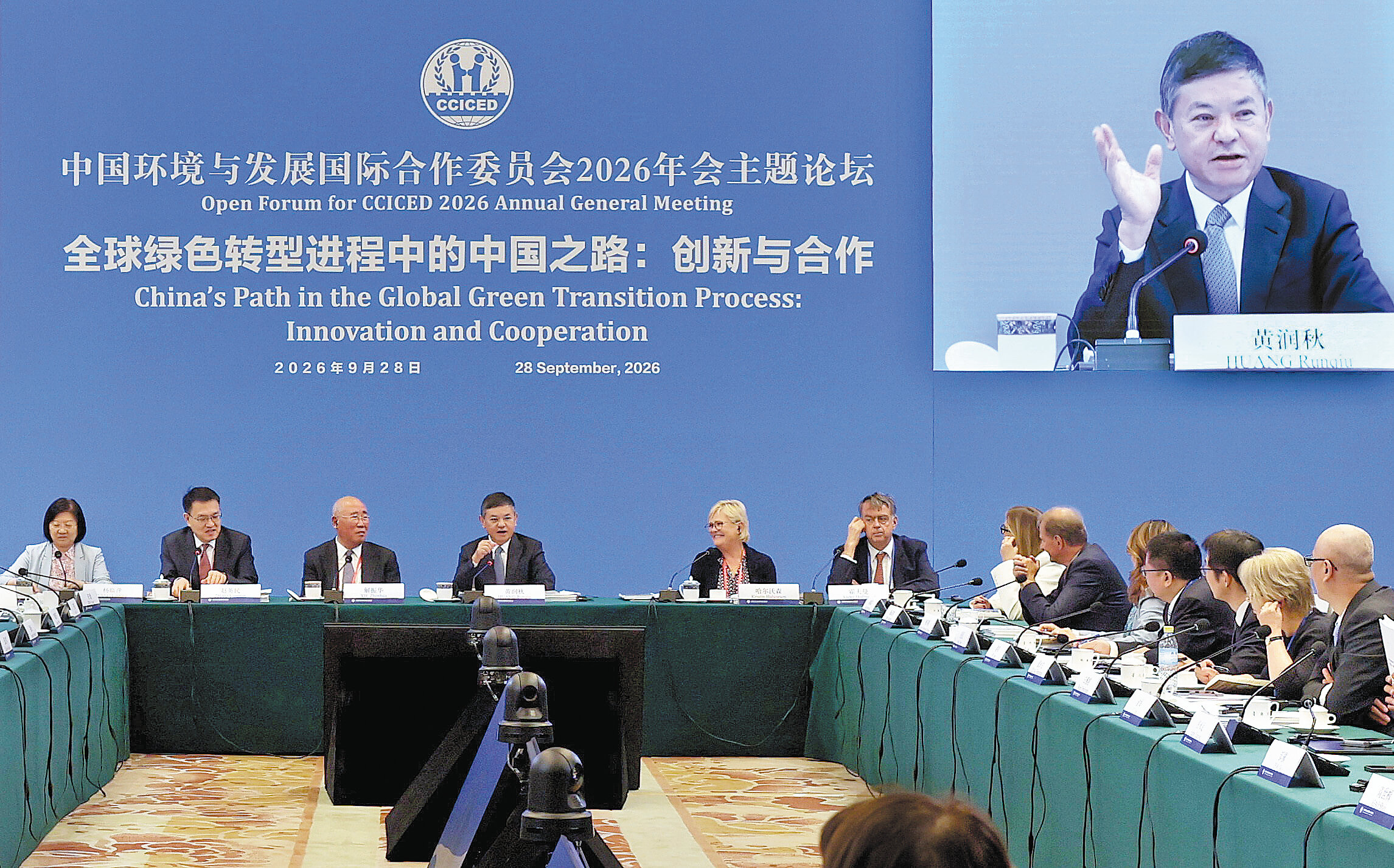
China's carbon dioxide emissions are expected to peak between 2027 and 2029, followed by a reduction of more than 10 percent from the peak by 2035. This forecast is detailed in an interim report released at the China Council for International Cooperation on Environment and Development's (CCICED) 2026 general meeting on Monday.
The report, compiled by over 50 Chinese and international experts, designates the period from 2025 to 2035 as crucial for transitioning from reaching a carbon peak to achieving emissions reductions. China aims to cut economy-wide greenhouse gas emissions by 7 to 10 percent from the peak by 2035. However, the analysis indicates a significant gap remains in the path toward carbon neutrality before 2060.
According to the findings, China's green transition has gained irreversible momentum. By 2024, the country's carbon emission intensity had decreased by over 51 percent compared to 2005 levels. The share of coal in total energy consumption fell from 56.8 percent in 2020 to 53.2 percent in 2024, while the proportion of non-fossil fuels increased from 15.9 percent to 19.8 percent.
Despite progress, the report cautions that the transition has not yet become a pervasive feature of economic and social development. Challenges persist, including rising energy demand and the integration of renewable power into the grid, alongside energy storage and grid modernization. Emissions reductions in heavy industries like steel and cement require costly technologies, such as hydrogen-based metallurgy and carbon capture, which are largely in demonstration phases.
The report also highlights social and environmental challenges, including potential job losses in restructuring industries and the impacts of climate change, such as more frequent extreme weather events. Recommendations focus on strengthening climate adaptation, biodiversity protection, green finance mechanisms, and supporting technological innovation.