Report: Rio Conventions' Fragmentation Limits Indigenous Influence
A new report reveals that despite increased recognition of Indigenous Peoples, the fragmentation of the Rio Conventions hinders their influence in decision-making.
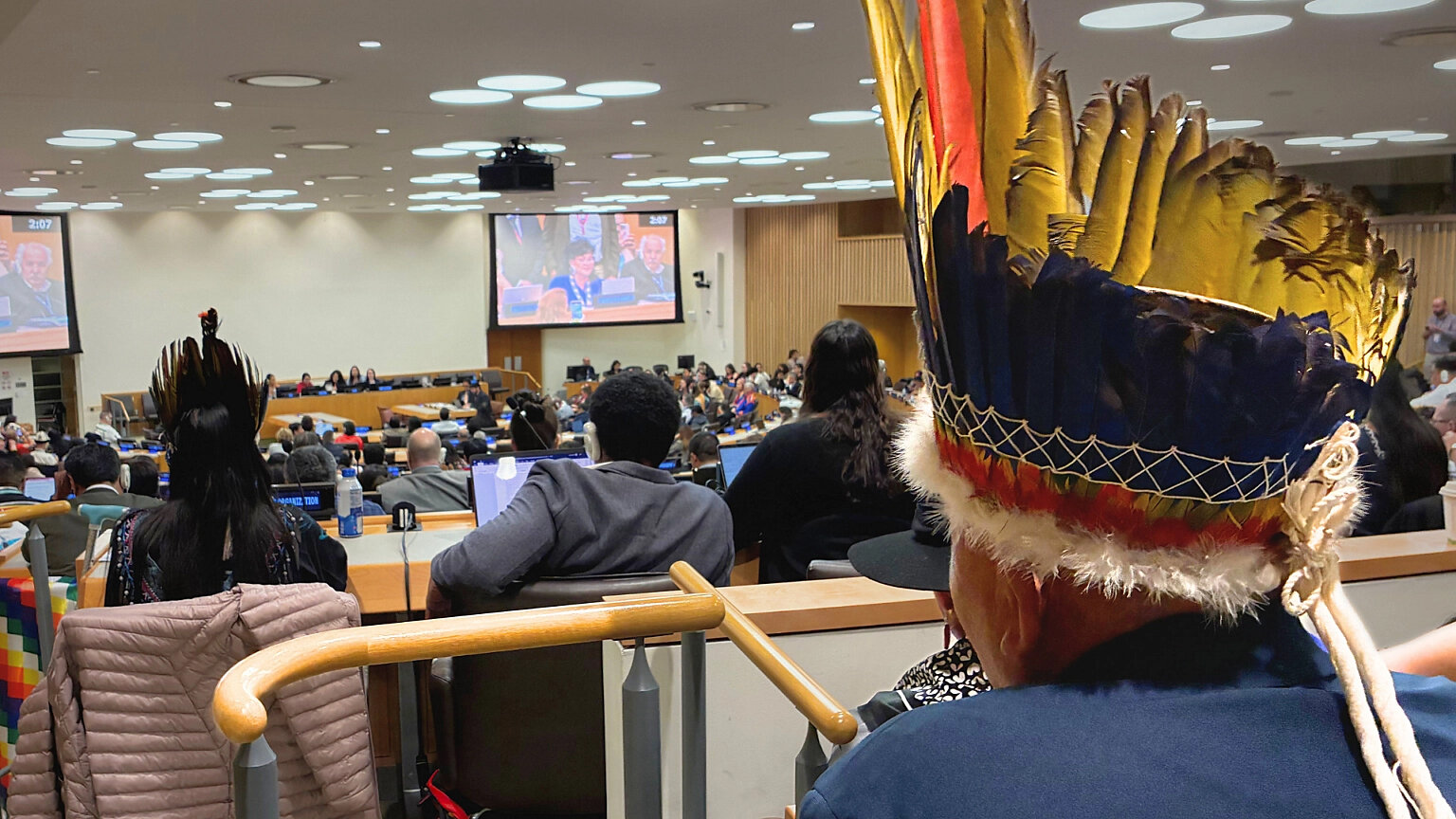
A new report highlights that the growing recognition of Indigenous Peoples has not been enough to overcome the structural challenges within the Rio Conventions. According to the report, the fragmentation of the conventions and the barriers that impede Indigenous Peoples' access to decision-making are reducing their effectiveness.
The report, which analyzes several international environmental agreements and Indigenous Peoples' participation in them, notes that while political will to advance Indigenous rights has increased, practical obstacles are slowing progress. These obstacles include bureaucratic processes, difficulties in accessing information, and insufficient resource allocation.
Indigenous experts and organizations have for years emphasized the need for direct and meaningful participation channels in international negotiations. The report supports this view and proposes concrete measures to dismantle structural barriers and strengthen the role of Indigenous Peoples in shaping environmental policy.
The fragmentation of the conventions means that different agreements operate as separate entities, making it difficult to create a unified and comprehensive approach to Indigenous participation. This situation calls for new strategies from the international community to better integrate Indigenous knowledge and rights into global environmental governance.