Research Museums Demand Action Ahead of Biodiversity Conference
Five German research museums have issued a joint appeal to politicians ahead of the COP17 biodiversity conference in Armenia. They are calling for decisive action and strong scientific foundations to effectively implement international conservation goals.
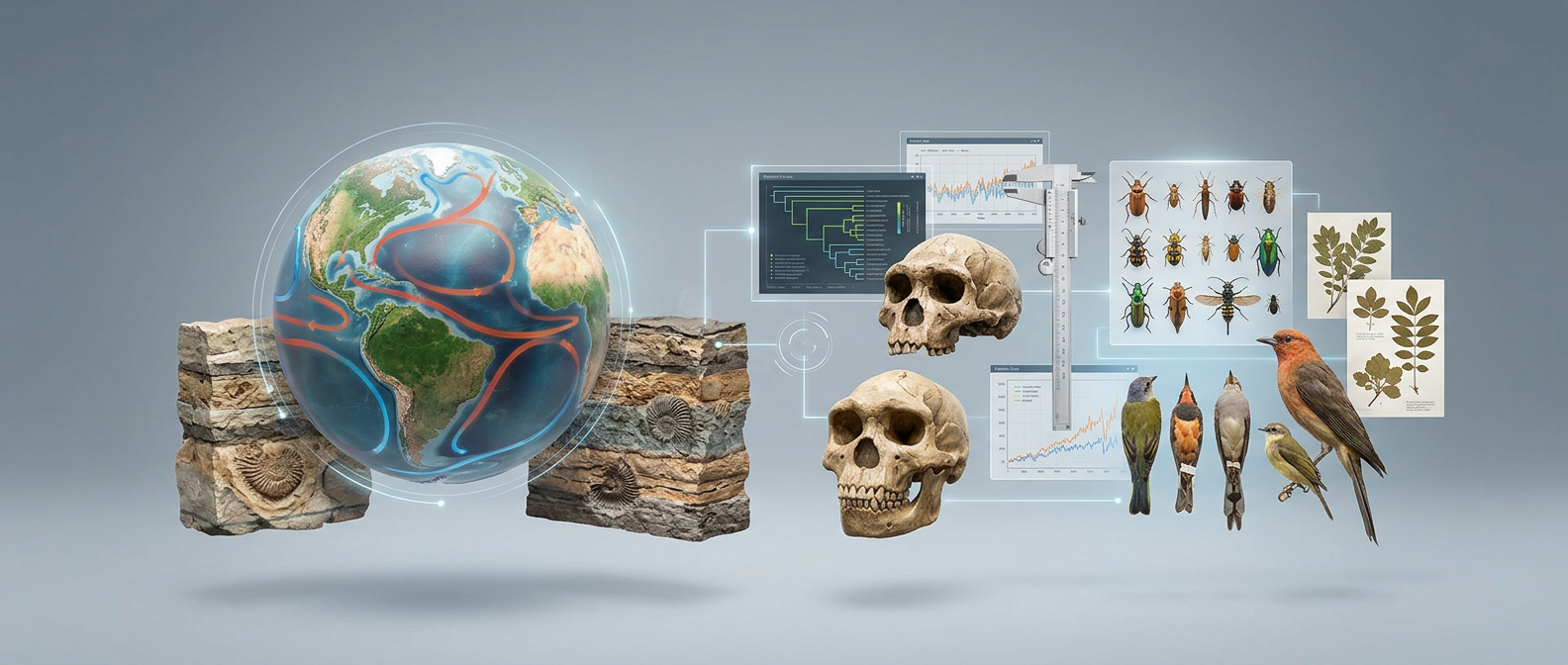
Germany's leading natural history research museums have joined forces to urge politicians to take decisive action to halt the decline of biodiversity. In a joint appeal, addressed ahead of the COP17 biodiversity conference in Armenia, the museums highlight the need for scientific knowledge and robust scientific grounds for the effective implementation of international nature conservation goals.
The appeal is backed by the Leibniz Institute for Analysis of Biodiversity Change (LIB), the Museum für Naturkunde Berlin (MfN), the Senckenberg Society for Nature Research (SGN), the Bavarian Natural History Collections (SNSB), and the State Museum of Natural History Stuttgart (SMNS). Among their demands are reliable financing for biodiversity protection, effective protected areas, strengthening of scientific infrastructures and biodiversity monitoring, and the phasing out of subsidies that harm nature.
The museums emphasize that biodiversity is fundamental to food security, clean water, health, economic capacity, and societal stability. Intact ecosystems help mitigate the impacts of extreme weather events and represent one of the most effective and cost-efficient future investments. The conference is expected to provide the first opportunity to critically assess collective progress and consistently address existing deficits.
The institutions offer their expertise and innovative monitoring methods to support evidence-based policymaking. They stress the necessity of reinforcing scientific infrastructures to ensure reliable and internationally comparable data on the state of biodiversity, which is crucial for assessing the actual implementation of the Kunming-Montreal Global Biodiversity Framework targets and for planning effective follow-up actions.