Research Museums Urge Decisive Action on Biodiversity Loss Ahead of COP17
Ahead of the World Biodiversity Conference, several research museums are calling on policymakers for more robust implementation of the Global Nature Agreement.
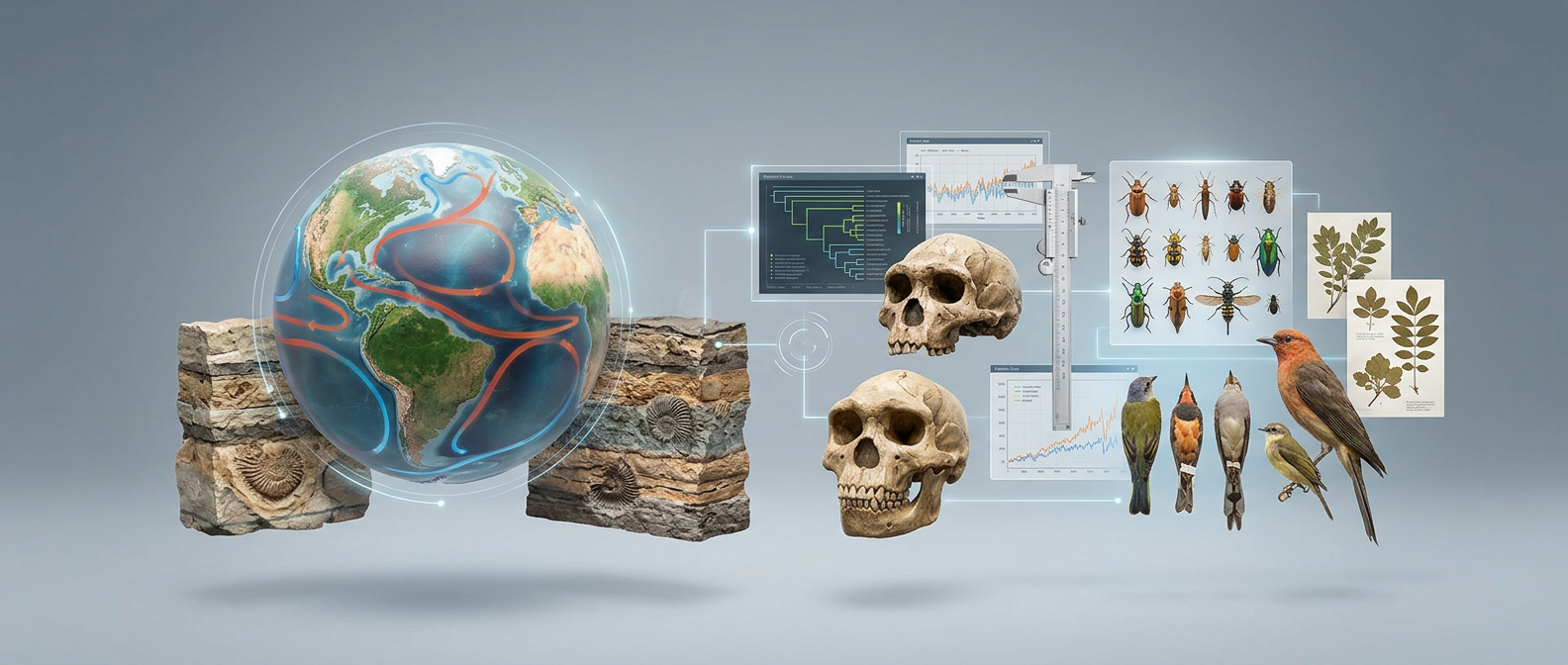
Several leading German natural history research institutions have issued a joint appeal to policymakers in the run-up to the COP17 World Biodiversity Conference in Armenia. The institutions, including the Senckenberg Society for Nature Research, Leibniz Institute for the Analysis of Biodiversity Change (LIB), Museum für Naturkunde Berlin, Bavarian State Natural History Collections, and State Museum of Natural History Stuttgart, are demanding decisive action and a strong scientific basis to effectively implement international biodiversity targets.
The museums emphasize that the loss of biodiversity threatens food security, clean water, human health, and economic stability. They are calling for reliable funding for conservation, effective protected areas, strengthened scientific infrastructure and monitoring of biodiversity, and the phasing out of harmful subsidies.
The appeal urges the German Bundestag to champion ambitious and implementable outcomes at COP17. Specific calls include establishing reliable funding mechanisms, effectively implementing the 30x30 target (protecting 30 percent of land and marine areas by 2030), and ensuring equitable benefit-sharing. The importance of science-based environmental policy is highlighted.
These institutions are contributing their scientific expertise and data infrastructure to support the evaluation of the Global Nature Agreement's implementation. They stress that genuine biodiversity protection requires assessing the ecological effectiveness of protected areas based on internationally comparable scientific standards. Natural history museums maintain globally significant collections and provide crucial data for understanding the drivers of biodiversity change.