Researchers Develop Artificial Cell Capable of Division
Scientists at the University of Minnesota have developed a simplified artificial cell system. The system can undergo multiple rounds of self-division, producing subsequent generations.
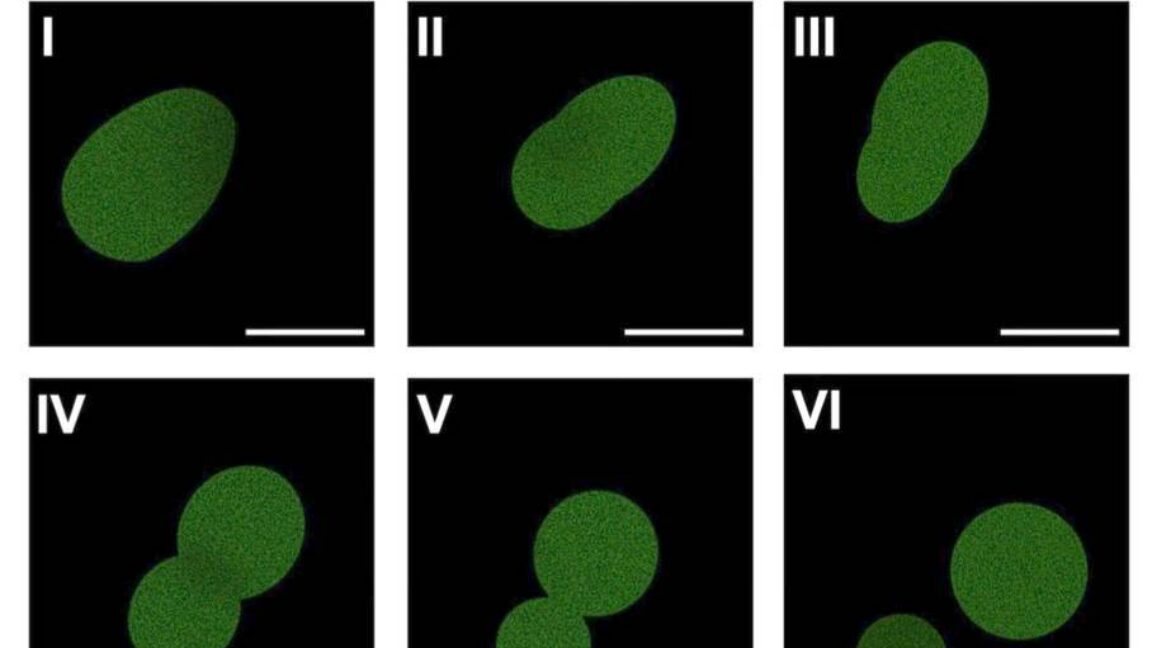
Researchers at the University of Minnesota have announced the development of a simplified artificial cell system capable of managing several rounds of cell division. This system represents a step towards understanding the origins of cellular life.
The artificial cell can continuously import new materials from its surroundings while encapsulating genetic material. It demonstrated the ability to spontaneously divide, producing a few generations of "offspring" before its functionality ceased, indicating a dependency on external conditions and intervention.
This advancement could offer new avenues for exploring fundamental questions about abiogenesis and the characteristics of minimalistic life forms. While the system still requires significant human assistance, its self-dividing capability is a notable achievement in synthetic biology.
The work addresses key aspects of life's origin, including the formation of genetic molecules and the spontaneous encapsulation within membranes. Understanding how early Earth environments could support such processes is crucial for reconstructing the path to life.