Researchers develop natural language prompts for protein and genome design
New computational tools enable the design of proteins and DNA sequences using natural language prompts, lowering the barrier for complex biological modeling.
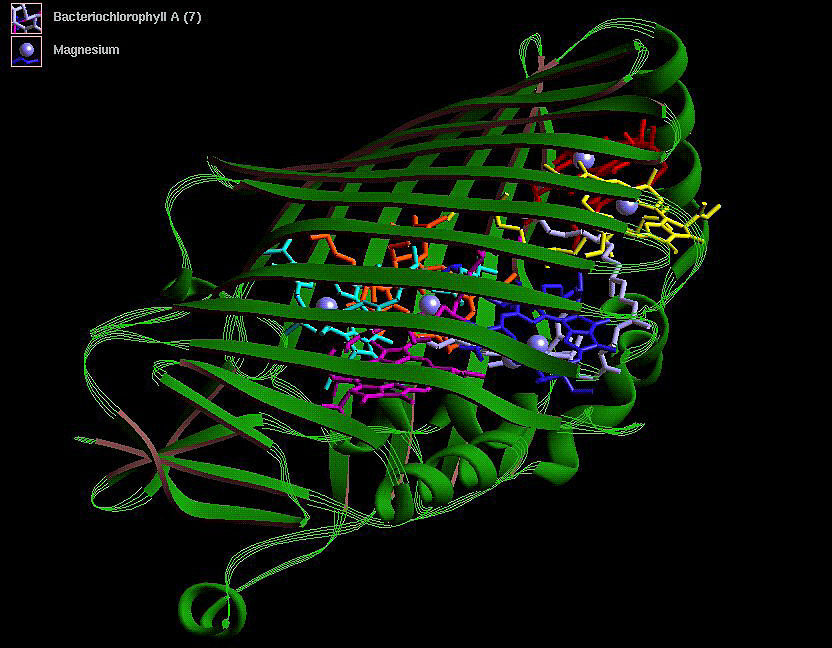
A collaborative research group in China has introduced a protein design tool that utilizes natural language processing to generate functional proteins based on descriptive prompts. Traditionally, protein engineering has required specialized expertise in enzyme mechanisms and precise atomic positioning. The new interface attempts to automate this process, allowing researchers to specify desired functions through text inputs.
While the system’s success rate currently falls short of traditional, expert-led design methods, it represents a shift toward making biological modeling more accessible. The researchers noted that while the tool can generate viable protein candidates, rigorous laboratory validation remains essential to distinguish successful designs from unsuccessful ones.
In a parallel development, Hugging Face has integrated a tool designed to operate at the genomic level. These advancements suggest a growing trend of applying large language model architectures to biological sequences, which could ultimately accelerate the pace of synthetic biology research.