Researchers Find Widespread Image Manipulation in Commercial Antibody Marketing
A Northwestern University postdoc has uncovered extensive image manipulation in marketing materials for over 17,000 commercial antibodies. The altered images, used to demonstrate antibody performance, include fabricated results and removed background noise.
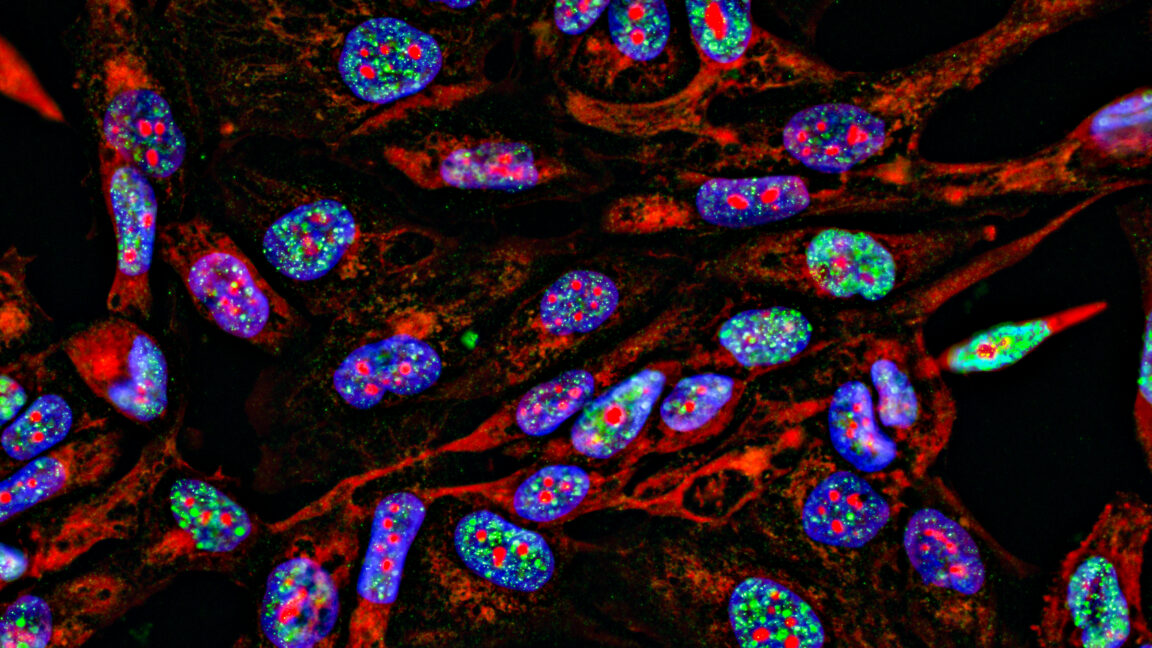
Widespread manipulation of images used to market commercial antibodies has been identified by a researcher, raising concerns about the reliability of widely used laboratory tools. Reese Richardson, a postdoctoral researcher at Northwestern University, discovered that marketing materials for more than 17,000 antibodies displayed manipulated images, including fabricated results and doctored data, according to his recent analysis.
These images, intended to showcase how antibodies perform in laboratory experiments, underwent alterations similar to those that could lead to retractions in academic publications. The manipulations ranged from the removal of background noise to the cloning and pasting of data, which effectively fabricated experimental outcomes. This practice impacts a critical component of biological research, where antibodies are essential for various techniques.
Antibodies function by being generated by the immune system to recognize specific proteins. In research settings, they are commercialized for ease of access, often available for quick delivery. The integrity of the data presented to researchers purchasing these antibodies is therefore crucial for the validity of experimental results.
Richardson's initial findings in May prompted a more comprehensive investigation, revealing the broad scope of the issue across numerous commercial antibody products. The findings highlight a potential systemic problem in the marketing and quality control processes within the biological supply industry.