Researchers Get Two Genetic Codes to Work Simultaneously
Scientists have developed a novel method to operate two distinct genetic codes concurrently without altering a cell's fundamental code. This approach could accelerate synthetic biology research.
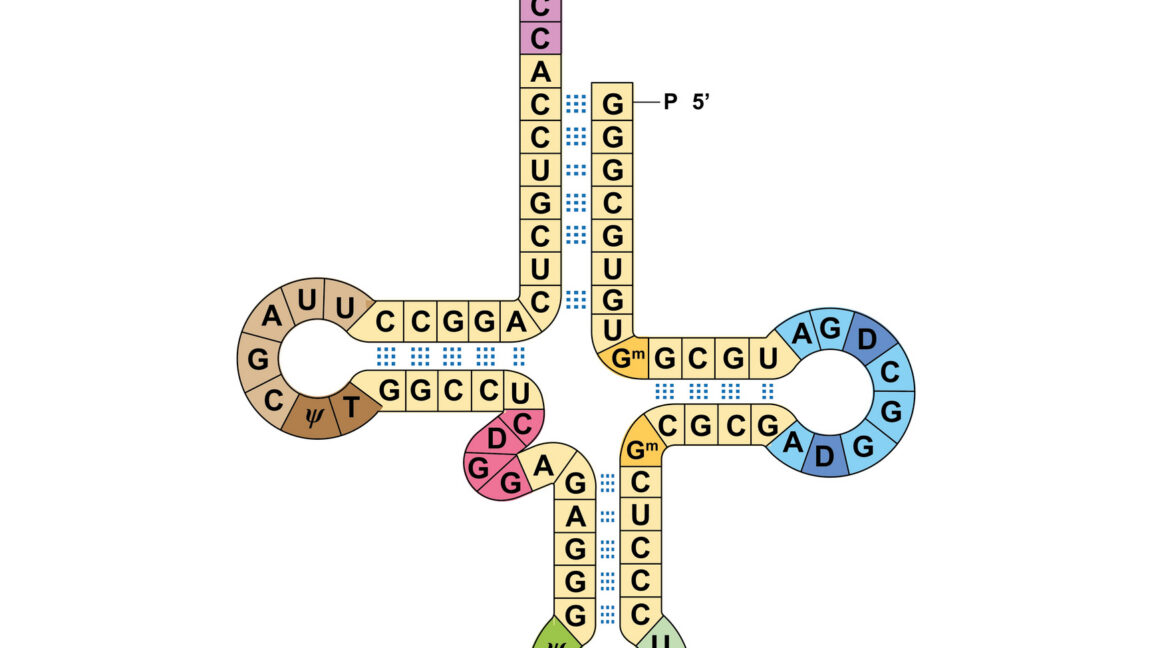
Researchers have devised a system that allows two separate genetic codes to function simultaneously within a biological context. This breakthrough bypasses the need to modify the cell's primary genetic machinery, potentially speeding up advancements in synthetic biology.
The genetic code is the universal biological mechanism that translates DNA sequences into protein structures. Its near-universal application across all life forms suggests an ancient origin, making it a complex system to alter due to its deep integration into cellular processes.
Previous efforts to expand the genetic code have included incorporating non-standard amino acids into bacterial proteins or creating truncated proteins. These methods often required extensive genetic engineering, sometimes involving the re-engineering of an entire bacterial genome.
The new strategy avoids these complex modifications by enabling two codes to operate in parallel. While not yet tested in living cells, this creative solution presents a significant pathway for synthetic biology applications and the construction of novel biological systems.