Researchers identify rare 4.1 billion-year-old Martian meteorite
A meteorite discovered in the Sahara in 2022 has been dated to 4.1 billion years old, offering a rare window into the ancient Martian crust.
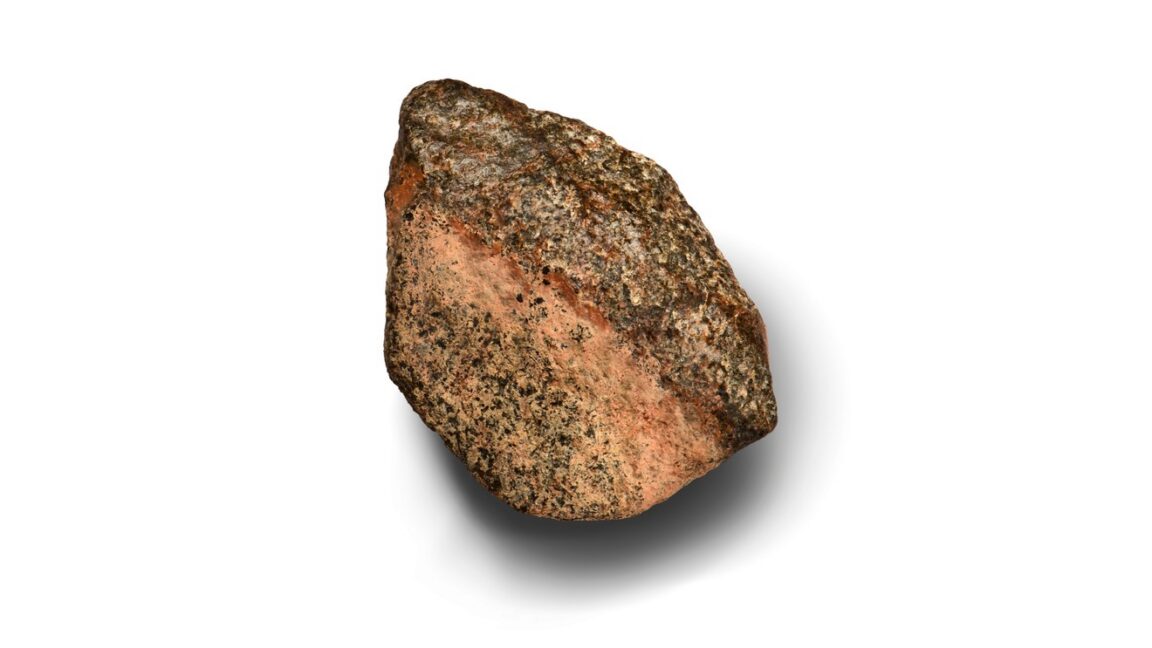
A research team led by Yang Liu of NASA’s Jet Propulsion Laboratory has confirmed that a Martian meteorite, designated Teghaza 001 and recovered from the Sahara Desert in 2022, dates back at least 4.1 billion years. This finding is significant because the vast majority of Martian meteorites studied on Earth are less than 2.4 billion years old.
Prior to this analysis, scientists had identified only two other ancient Martian meteorites: Allan Hills 84001 and the rock known as Black Beauty. Liu noted that the composition of Teghaza 001 shares similarities with some of the oldest geological formations found on Earth.
Researchers suggest that the scarcity of such ancient rocks on Earth is due to the mechanics of planetary ejection. For a rock to escape Mars' gravity, it must survive a massive impact. This process acts as a filter, where weaker, loosely cemented surface materials fail to survive the expulsion, leaving only the most resilient samples to eventually reach Earth.