Researchers Offer Strategies for Night Owls to Improve Sleep Quality
Studies link late sleep schedules to poorer mental health and work-life balance, but natural night owls can adopt habits to enhance sleep quality.
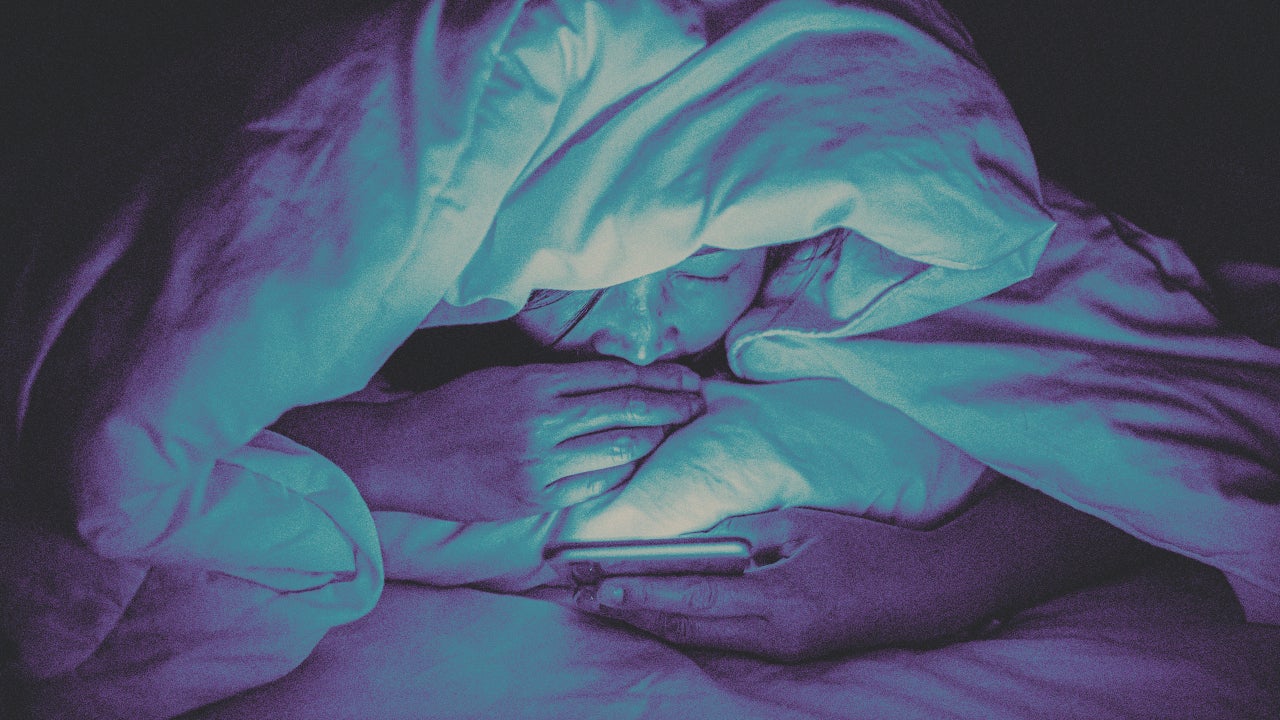
Research indicates that late sleep schedules for night owls may negatively impact their mental health and work-life balance, even when sufficient sleep is achieved. The challenges faced by night owls may stem not only from their natural circadian rhythms but also from social isolation and stress.
A Stanford University study involving over 70,000 adults found a correlation between later sleep times and diminished mental well-being. Lead researcher Jamie Zeitzer from Stanford Medicine suggests social isolation could be a factor, as night owls might experience loneliness when awake late at night.
Ilona Merikanto, a researcher at the University of Helsinki, noted that night owls might face greater work-life balance issues and exhibit more symptoms of mental disorders. This could be because their peak performance occurs outside standard working hours, or they may not be as alert during the day, leading to performance issues.
However, experts emphasize that being a night owl is not inherently a disorder. Dr. Atul Malhotra from UC San Diego School of Medicine states that if a night owl functions well and experiences no issues, there is no need to alter their sleep schedule. He also advises consulting a doctor if a sleep disorder is suspected.
For night owls seeking to improve sleep quality, experts recommend managing light exposure—avoiding bright light in the evening and ensuring adequate daylight during the day. Limiting screen time before bed and maintaining a consistent sleep schedule are also crucial for enhancing sleep quality.