Researchers Replace Mouse Cortex with Human Brain Cells
Stanford University researchers have successfully replaced a portion of a mouse's cortex with human brain organoid cells. The method aims to create better models for studying human brain function and diseases.
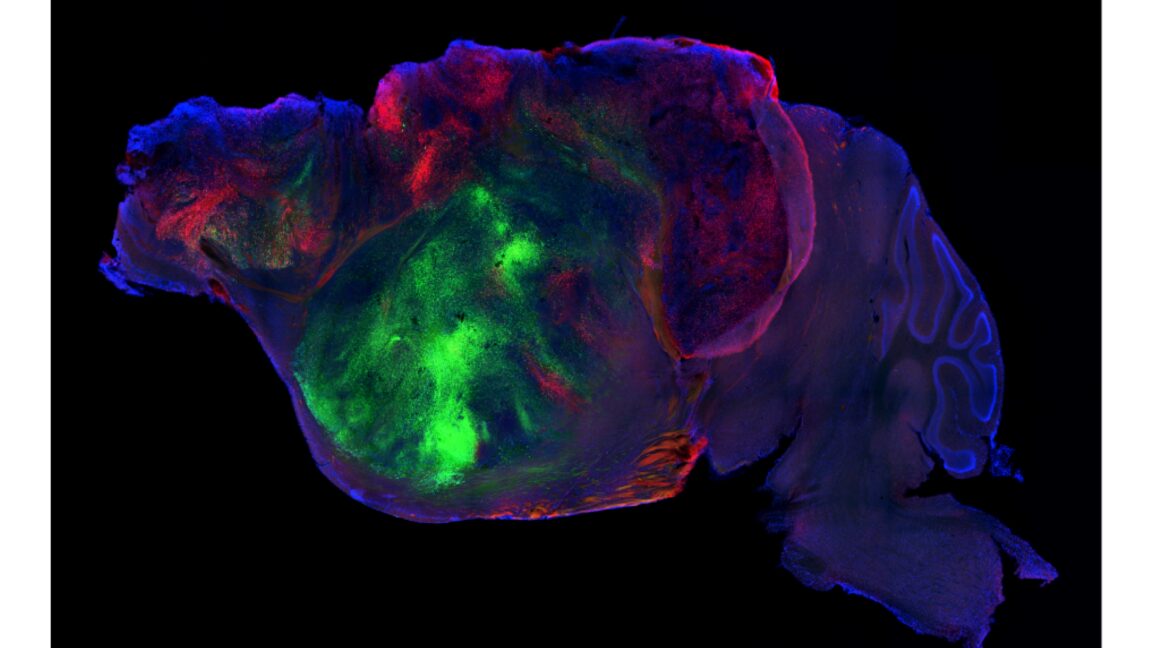
Researchers at Stanford University have developed a novel approach to studying the human brain. They have successfully replaced a section of a mouse's cortex with human brain organoid cells. This research, detailed in a publication on Wednesday, offers new avenues for modeling and understanding human brain diseases.
Historically, research on human brain organoids has involved small tissue patches grown from stem cells. While these organoids mimic many cell types and structures found in actual organs, they often lack integration with other bodily systems, limiting their utility in disease modeling.
In the recent experiment, a genetically altered part of the mouse brain was removed and subsequently populated with human brain organoid cells. This allows for the study of human brain cells within a biological context that more closely resembles natural conditions than isolated cell cultures.
Limitations: While this method represents a significant advancement, it does not fully replicate the complexity of the human brain. Nevertheless, it marks a considerable step forward from previous techniques, enabling deeper insights into human brain development and disorders.