Researchers replicate optical effects of the ancient Lycurgus Cup
University of Sheffield scientists have recreated the dichroic glass effects of the 4th-century Lycurgus Cup using modern glassmaking techniques.
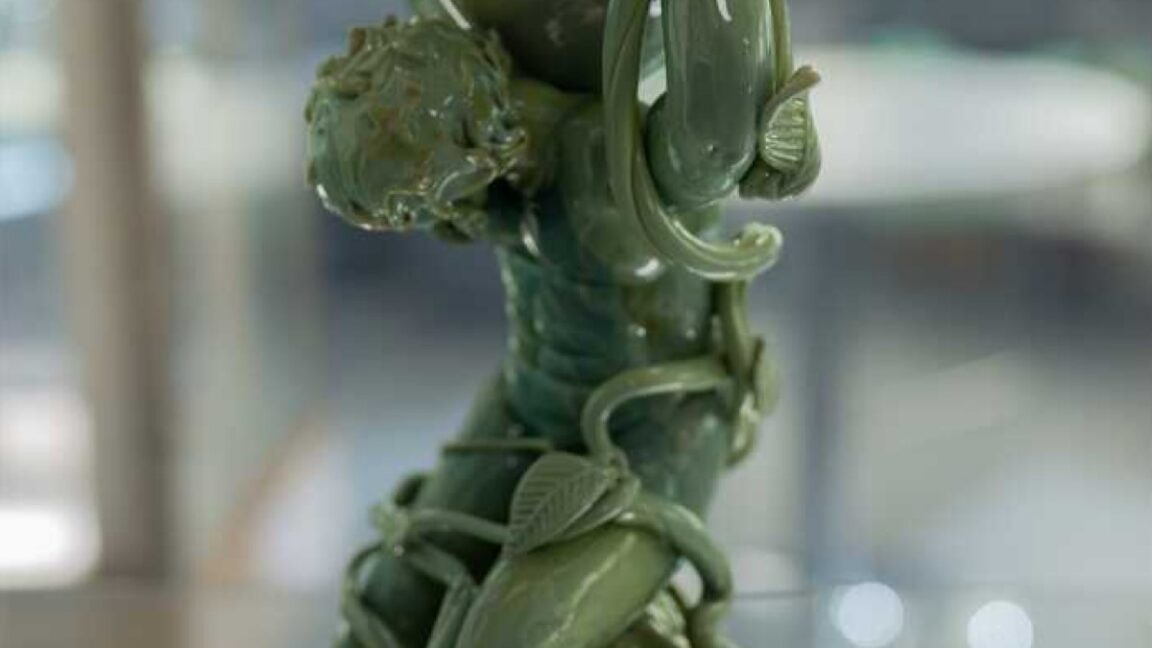
Researchers at the University of Sheffield have successfully produced a contemporary glass sculpture that replicates the optical properties of the Lycurgus Cup, a 4th-century artifact. The original vessel is known for its dichroic nature, appearing green when illuminated from the front and red when backlit.
This color-shifting phenomenon was identified in 2007 as the result of gold and silver nanoparticles embedded within the glass. Ancient Roman artisans introduced these metals during the melting process, causing them to aggregate into nanoparticles that alter the behavior of electrons when exposed to light. This manipulation of light scattering is fundamental to how the cup changes appearance based on the observer's vantage point.
This replication project underscores the sophistication of Roman glassmaking, which effectively utilized principles now classified under modern nanotechnology. The underlying mechanics—involving the scattering of light by metal particles—share similarities with natural iridescent structures, such as those found in opals or butterfly wings.