Resilience Energy offers free solar panels and batteries to homes
Startup Resilience Energy installs free solar panels and batteries in homes, then sells power back to the grid during peak demand. Homeowners can see their electricity bills drop by 60-80%.
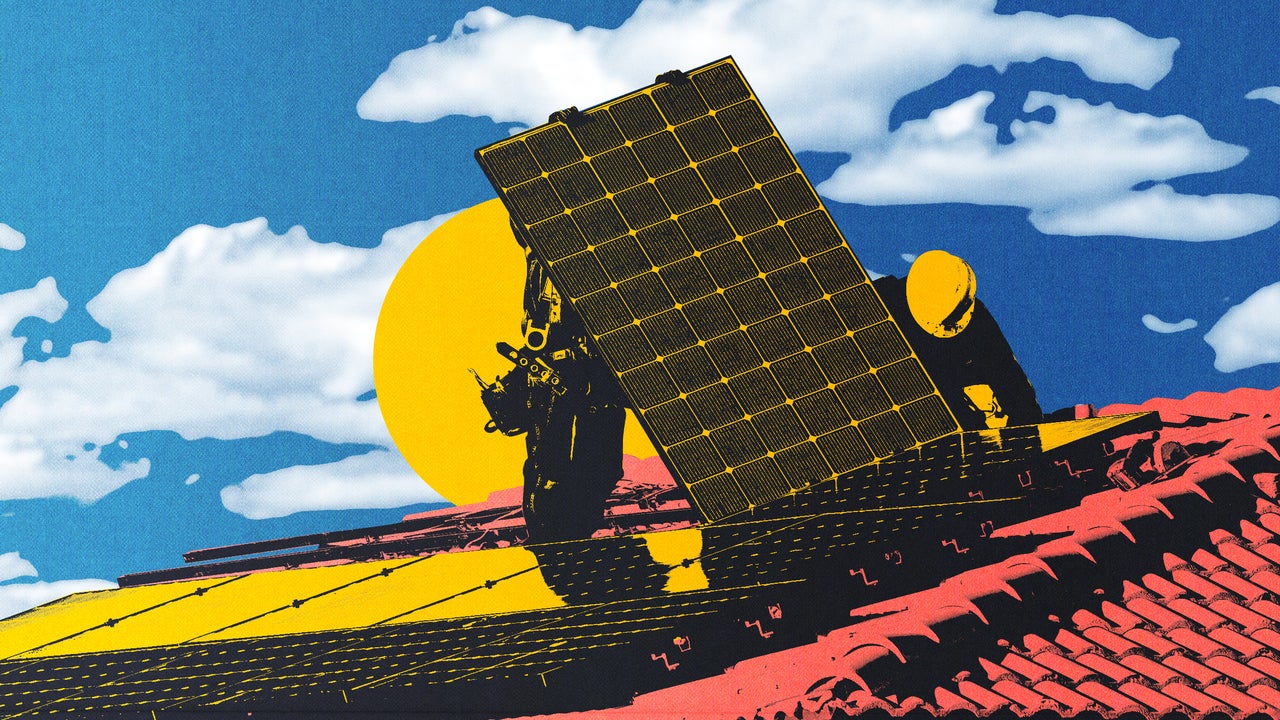
Startup Resilience Energy is introducing a new method to increase clean energy production by funding the installation of solar panels and batteries across a network of homes. The company then sells the generated power back to the electricity grid during peak demand periods. This arrangement provides homeowners with free equipment, potentially reducing their electricity bills by 60-80%.
While building large solar farms typically takes years due to permitting and grid connection delays, Resilience Energy's model aims to accelerate clean energy deployment. By constructing a distributed energy network composed of individual homes, the company owns the installed equipment. This allows for faster expansion and the ability to reach more households compared to models relying on homes that already possess solar or battery systems.
CEO Ameet Konkar stated that the model is designed for universal participation, including low and moderate-income households. The company, launched last year, is also partnering with owners of rental properties. These owners have previously been hesitant to invest in solar, as the financial benefits of reduced electricity bills accrue to tenants rather than owners.
Resilience Energy aggregates participating homes into groups ranging from 1,500 to over 20,000, and then negotiates contracts with utilities and large-scale customers, including technology companies. These Power Purchase Agreements (PPAs) facilitate financing for the necessary equipment. The company reports that initial contracts are in late-stage negotiations and are expected to be finalized later this year. Project implementation will depend on regional demand and the successful securing of these agreements.