Retailer Converts Stores into Fulfillment Hubs During Peak Season
A major omnichannel retailer has successfully streamlined its supply chain by turning over 2,000 stores into local fulfillment hubs during peak season, rather than expanding its traditional warehouse network.
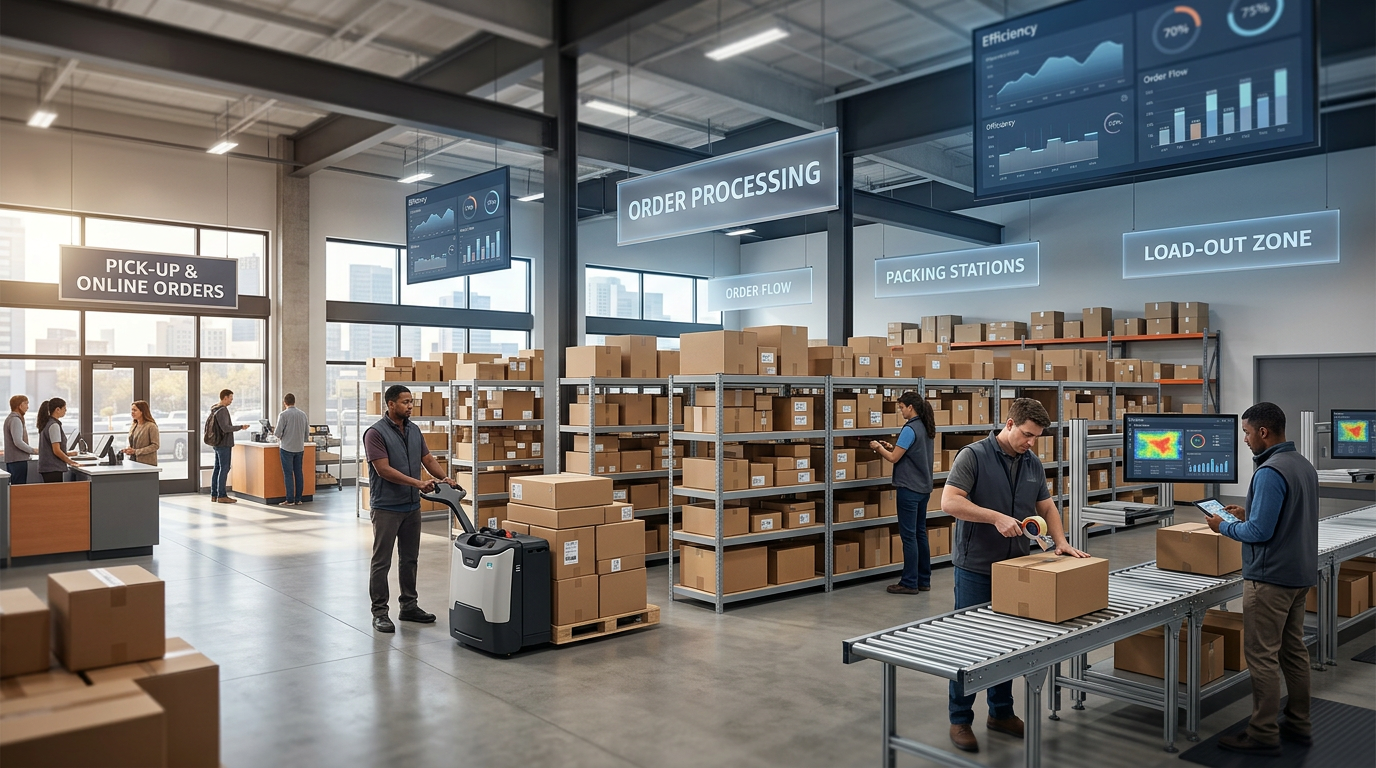
A major omnichannel retailer has successfully streamlined its supply chain by transforming more than 2,000 stores into local fulfillment hubs during peak season. Instead of expanding its traditional warehouse network, the company leveraged its existing store footprint to shorten delivery routes, reduce fulfillment costs, and enhance customer speed and flexibility expectations.
Traditionally, retail supply chains were measured by cost and capacity. Today, the competitive edge lies in the ability to move in the moment, especially during the peak season between November and January. During this period, demand can spike overnight, and consumers expect delivery within hours. The new model, where stores act as fulfillment hubs, connects digital demand with local delivery in real time.
Prior to this shift, the retailer relied on a centralized distribution center (DC) model. While efficient at scale, it struggled with peak season volatility. The e-commerce boom doubled order volumes and decreased customer patience, leading to delays and increased costs. Leadership determined that building more warehouses was not the answer; the opportunity lay in redefining the use of existing assets.
The transformation of stores into fulfillment hubs required multi-year investments in Warehouse Management Systems (WMS), Transportation Management Systems (TMS), and Order Management Systems (OMS). These upgrades created unified visibility across all channels and enabled dynamic decisions about which store would fulfill each order in real time. A modernized WMS allowed in-store staff to pick and pack online orders with the same precision as a fulfillment center.
During the 2024 holiday season, this model processed over 200 million same-day fulfillment orders, a 10% year-over-year increase, without expanding its DC network. Order orchestration selects the optimal fulfillment source (store, hub, or DC) based on proximity, inventory, and delivery promise. Inventory synchronization ensures all nodes share a single, accurate inventory view.