Retailers Leverage "Mini Effect" with Smaller Products
Companies like Lowe's and Trader Joe's are successfully employing the "mini effect," offering smaller, attractively priced products. This strategy drives store traffic and increases overall sales.
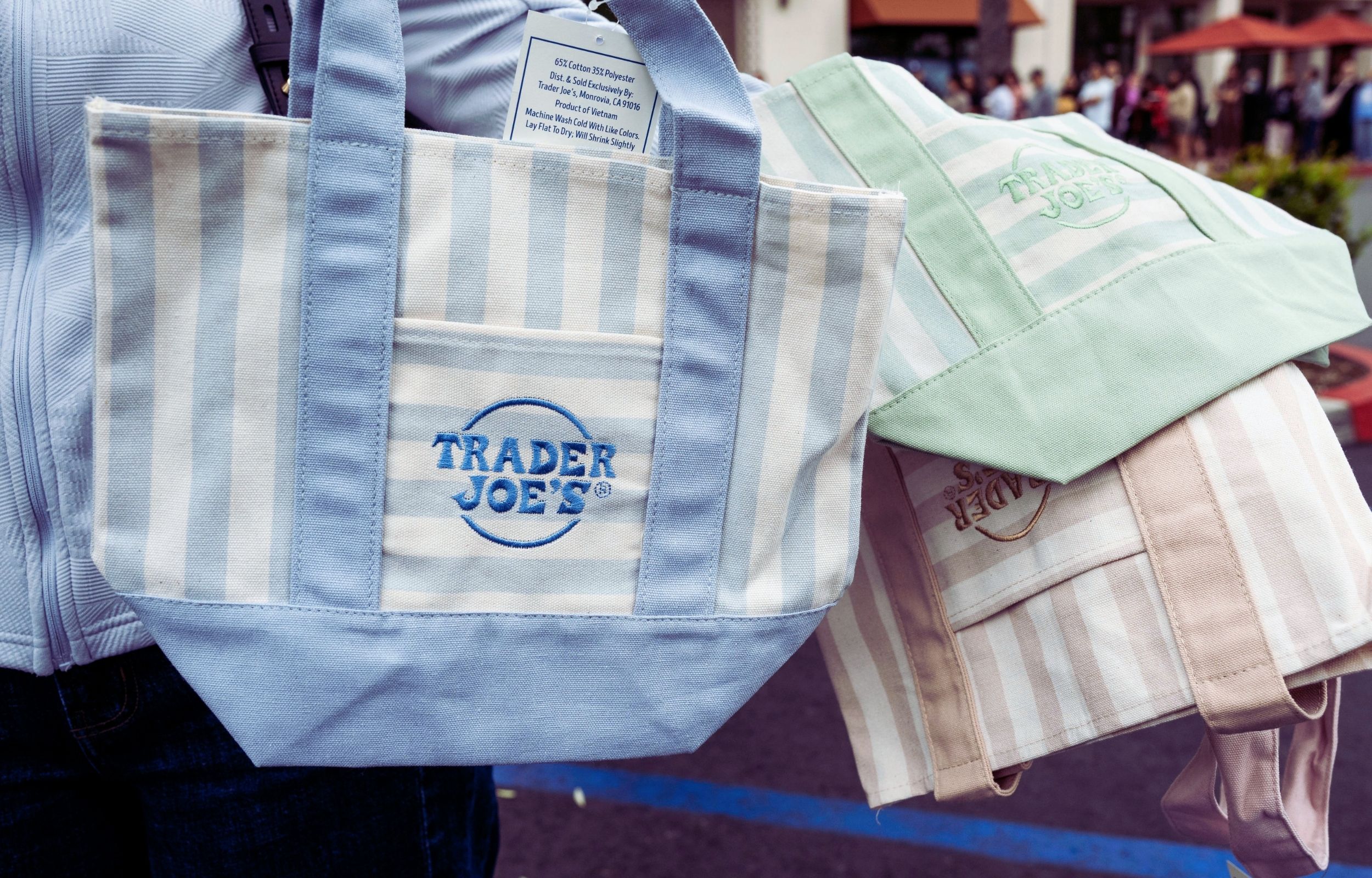
The retail sector is witnessing a significant trend known as the "mini effect," where major players such as Lowe's, Trader Joe's, and Home Depot are capitalizing on smaller product versions offered at appealing price points. These "mini products" are distinct from shrinkflation, as their reduced size and corresponding price are openly communicated to consumers.
Lowe's introduced a sub-gallon sized bucket for under $2, which has proven to be an effective traffic driver. Customers purchasing the mini bucket often end up buying additional items like mulch, flowers, or appliances. Similarly, Bissell's "Little Green Mini" carpet cleaner contributed 10% to the company's U.S. sales last quarter, attracting new customers to the brand.
Trader Joe's miniature tote bags have also become a fashionable status symbol rather than a purely functional grocery accessory. Their popularity has led to secondary market sales at prices significantly higher than the original retail cost.
The "mini effect" is a modern take on the "lipstick effect" theory, which suggests that consumers cut back on large purchases during economic downturns but will still indulge in smaller treats. This approach appears to be resonating with shoppers seeking guilt-free purchases in the current economic climate.