Retailers reduce self-checkout deployment due to merchandise loss
Retailers are scaling back self-checkout systems as data indicates higher merchandise losses compared to traditional staffed lanes.
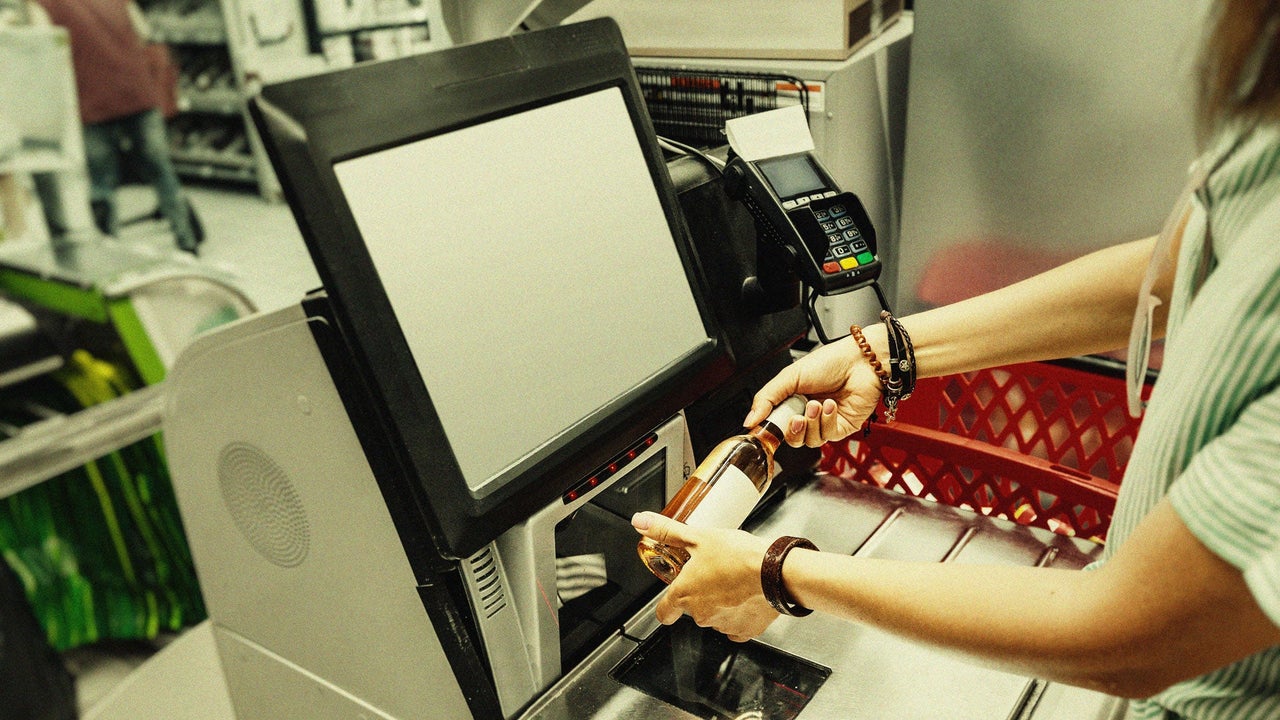
Retail operators are increasingly rolling back self-checkout installations, citing financial losses associated with theft and scanning errors. According to data from ECR Retail Loss, grocery stores utilizing self-checkout technology report a 33% higher rate of product loss compared to those relying on traditional checkout models.
Major retail chains have already begun shifting their operational strategies. Dollar General reportedly removed self-checkout lanes from approximately 12,000 locations in 2024, while other retailers such as Five Below have similarly reduced their footprint of automated kiosks. Industry observers note that while self-checkout offers convenience for small purchases, the technology has struggled to scale efficiently for larger, more complex customer transactions.
Despite the move away from self-service kiosks, retailers continue to prioritize technological investment. A survey by Toast indicates that 75% of retail operators plan to increase spending on new systems in the coming year. Current trends show a focus on electronic shelf labels and artificial intelligence, with 90% of respondents expressing intent to integrate more AI-driven tools into their operations to manage inventory and staff assistance.
Industry experts anticipate that the future of retail will rely on a hybrid model. This approach seeks to balance customer speed with operational oversight, utilizing technology to assist staff in error detection while maintaining human-staffed lanes for larger basket sizes.