Robot System Enhances Salmon Catching Efficiency and Welfare in Alaska
Startup Shinkei Systems is deploying its Poseidon S robot in Alaskan fisheries to improve fish handling, reduce suffering, and extend seafood shelf life.
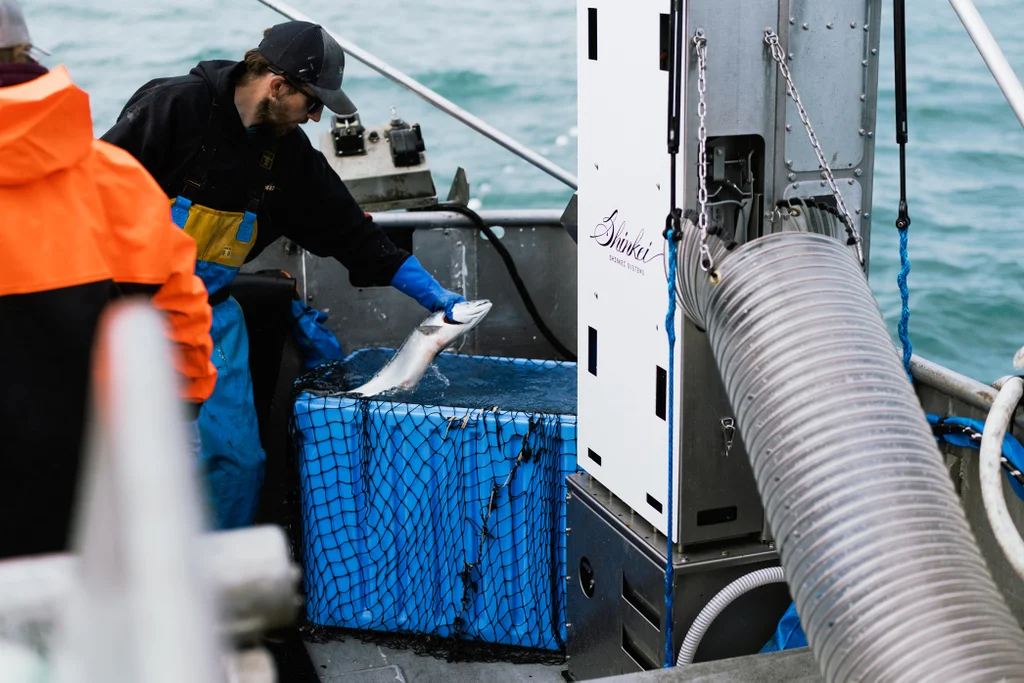
As sockeye salmon season peaks in Alaska's Cook Inlet, fishing vessels are integrating a new, non-human crew member: the Poseidon S robot. Developed by startup Shinkei Systems, the technology aims to make fish processing faster and more humane than traditional methods.
The Poseidon S uses computer vision to identify fish species and precisely target a spot on the skull, delivering a spike to the hindbrain before severing the gills. This entire process takes approximately seven seconds, after which the fish is immediately placed in ice. This method replicates the Japanese ike jime and shinkei jime techniques, widely regarded as the most humane ways to dispatch fish.
Shinkei Systems installs the Poseidon S robot for free on partner boats and pays fishermen a premium for their catch. In return, the company takes full possession of the fish, processing and selling it under its own brand, Seremoni. This approach is part of a broader strategy to vertically integrate the seafood supply chain from boat to plate.
Beyond animal welfare, Shinkei claims its method significantly improves fish quality and shelf life, potentially extending it to two to three weeks from the typical five to seven days. This could help combat significant seafood waste, estimated to be 23% of the edible supply in the U.S. The company has also expanded its domestic production footprint with a new 16,000-square-foot facility in Tacoma, Washington.