Robotic Surgery Drives Growth in Healthcare Systems
Robotic-assisted surgery (RAS) has seen significant growth over the past decade, reducing open procedures and improving patient outcomes. Two U.S. health systems share their experiences with the da Vinci surgical system.
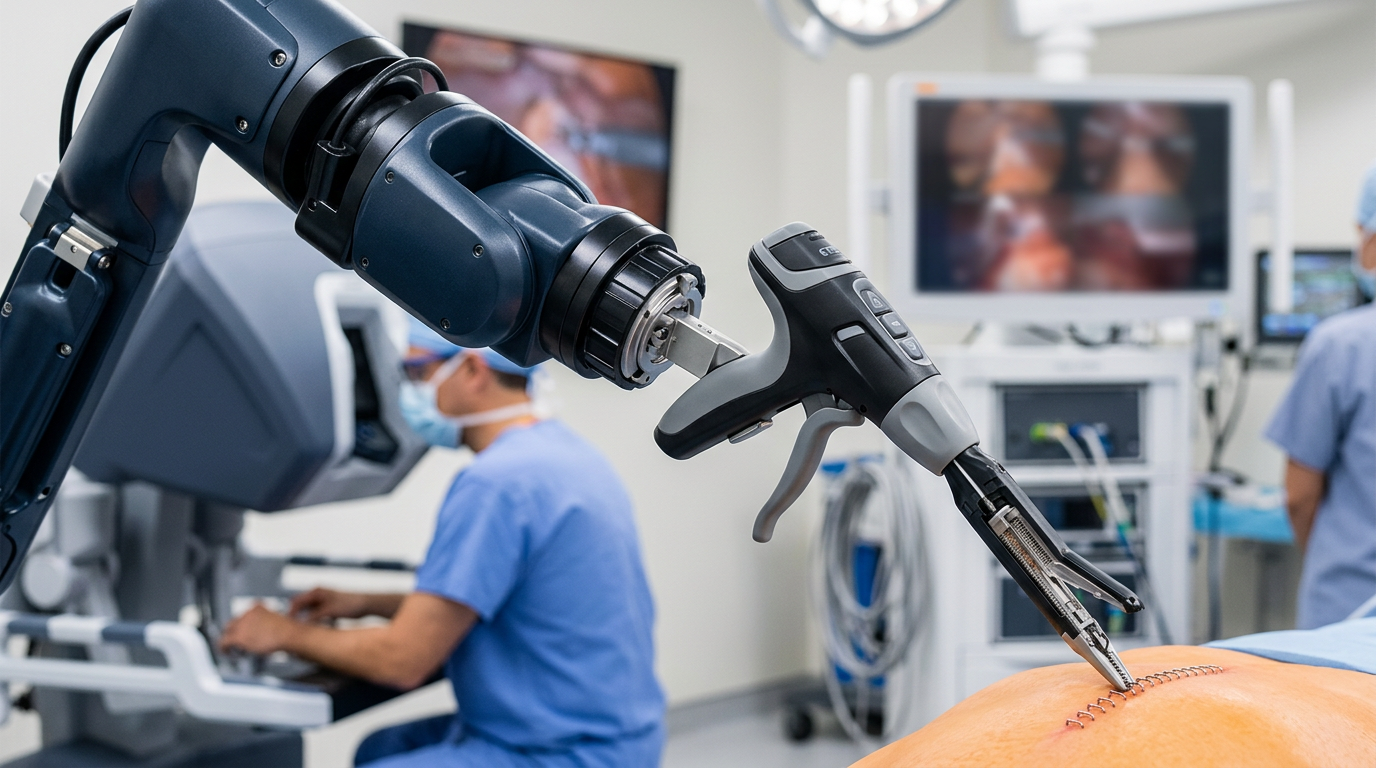
Robotic-assisted surgery (RAS) has emerged as a significant growth engine for healthcare systems prioritizing innovation amidst persistent financial and staffing pressures. Both Northwell Health and Sharp HealthCare have reported substantial shifts in their surgical practices following the adoption of the da Vinci surgical system.
Initially met with skepticism regarding cost and time, robotic surgery has overcome early doubts. In 2012, open surgeries accounted for over a third of procedures, conventional minimally invasive surgery (MIS) for 54 percent, and robotic surgery for about 10 percent. Over the last decade, however, skepticism has waned as extensive data now supports the clinical and fiscal impact of RAS, leading to a decline in open and traditional MIS procedures while robotic surgery has grown.
Northwell Health began investing in da Vinci systems in 2017, with leadership mandating the demonstration of quality outcomes to justify continued investment. Research data indicates that RAS significantly reduces mortality, complications, blood transfusions, and length of stay compared to open and laparoscopic procedures. For instance, the risk of complications was found to be 39% lower compared to open surgery and 14% lower compared to laparoscopic surgery.
Northwell Health's robotic surgery program has expanded dramatically, with the system expecting to have 83 da Vinci systems in operation by the end of 2023, up from an initial 12 in 2017. Sharp HealthCare, meanwhile, is actively working to convert more open cases to robotic-assisted procedures, recognizing it as an optimal solution for patients and establishing it as a new standard of care for certain operations.
Healthcare leaders are increasingly recognizing that robotic-assisted surgery offers more than just a minimally invasive option. It has delivered demonstrable patient benefits and economic savings, solidifying its role at the forefront of healthcare innovation and growth.