Robotics and the Human Relationship: Bridging the Trust Gap
The increasing presence of robots in both industrial and domestic settings presents a new challenge for human perception. Companies must focus on building trust, moving beyond mere functionality to foster acceptance.
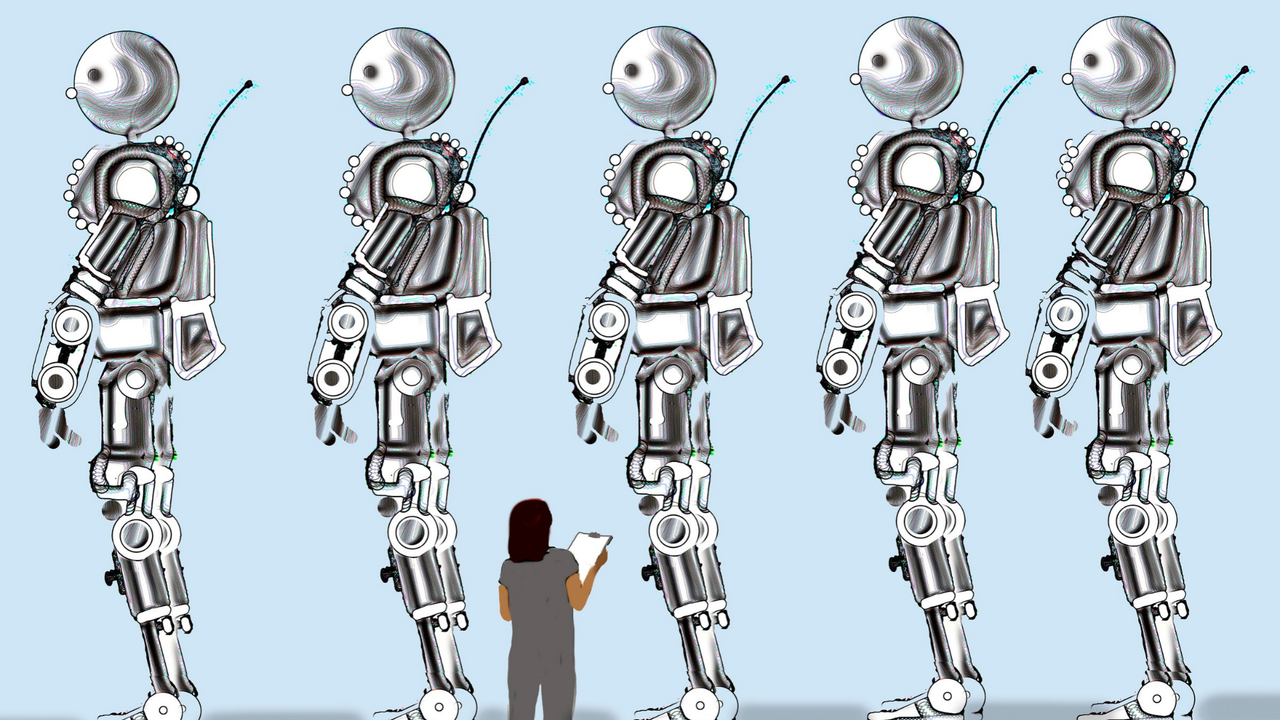
For over a century, popular culture has largely portrayed robots as potential threats, shaping a narrative of fear and distrust. While cinematic portrayals like the T-1000 from Terminator 2 have cemented this image, the reality of robotics is rapidly evolving beyond science fiction.
Recent years have seen a dramatic surge in investment in robotics and "physical AI," with global funding escalating significantly. Projections suggest substantial growth in the deployment of humanoid robots, particularly in China, by the end of the decade. It's crucial to recognize that robots have long been integrated into industrial settings, such as automotive factories, long before their more anthropomorphic counterparts became visible.
Companies like Boston Dynamics are transitioning from entertainment-focused demonstrations to practical applications, unveiling production versions of robots designed for work. The introduction of robots like 1X's NEO for domestic use signals a shift towards everyday integration. While the adoption of robots in industrial environments is driven by economic factors, their entry into homes and care settings requires overcoming a significant emotional hurdle.
For robots to be accepted in homes, they must cross an emotional threshold. Manufacturers need to move beyond showcasing advanced capabilities and focus on building trust and demonstrating how these machines can enhance human lives. The narrative needs to shift from replacement to partnership, especially in areas facing care shortages where robot assistance might become a necessity.
Ultimately, the advancement of robotics is not solely about technological revolution but about forging a new human-machine relationship. Brands must balance innovation with practical use, address public concerns transparently, and tell stories that highlight robots as beneficial collaborators. As robots become more integrated into our lives, building this foundation of trust will be critical for their widespread adoption.