Rock weathering can offset carbon dioxide emissions from thawing permafrost
New research reveals that while thawing permafrost releases carbon, rock weathering can also sequester carbon dioxide from the atmosphere. This geological process could significantly slow global warming.
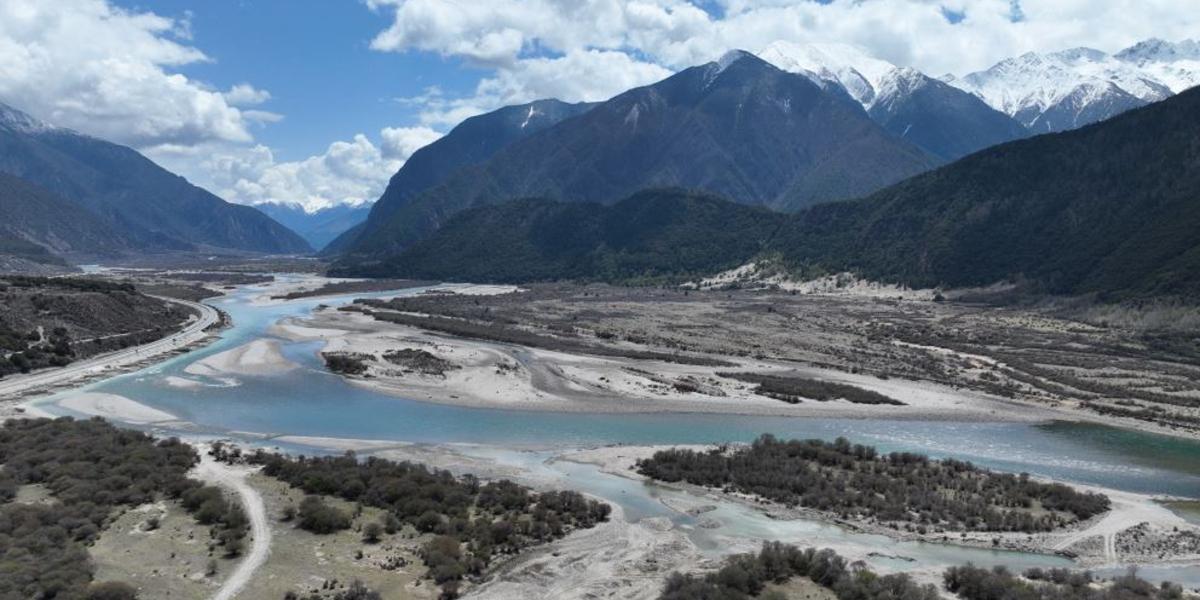
New research published in the journal Nature indicates that thawing permafrost, while releasing carbon, can also promote the removal of carbon dioxide from the atmosphere through rock weathering. This geological process, previously given limited consideration in climate models, could significantly mitigate the rate of global warming.
Climate change is causing global permafrost to thaw, releasing substantial amounts of organic carbon. This carbon is converted to carbon dioxide (CO2) in rivers and subsequently emitted into the atmosphere, creating a positive feedback loop that accelerates warming. However, the study has found evidence that rock weathering can counteract this cycle.
The research focused on river systems on the Qinghai-Tibet Plateau, the largest contiguous permafrost region outside the Arctic and Antarctic. The team combined CO2 emission measurements with chemical analyses in 50 rivers to quantify how the balance between CO2 sequestration and release shifts in thawing permafrost environments.
Findings suggest that carbon sequestration through weathering can offset up to 35% of riverine CO2 emissions across the investigated region. In areas with continuous permafrost, weathering compensates for 15% of emissions, while in areas with sporadic or absent permafrost, this figure can exceed 100%, indicating an increasing role for rock weathering as permafrost melts.
The researchers highlight that the impact of weathering depends on the type of minerals released. Weathering of silicate minerals, prevalent on the plateau, can sequester CO2, whereas weathering of sulfide minerals like pyrite may increase emissions. This multidisciplinary study connects inorganic and organic carbon cycles on timescales relevant to human impact.