R+V: Drone photography subject to legal restrictions
R+V Versicherung AG warns that drone photography is governed by significant privacy, data protection, and safety regulations. Violations can lead to fines or legal repercussions.
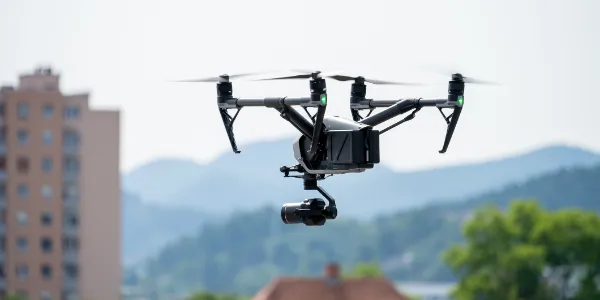
R+V Versicherung AG, a German insurance provider, has outlined the legal landscape surrounding the use of drones for photography, emphasizing that aerial imagery is not without its restrictions. The company advises individuals to be fully aware of privacy rights, data protection laws, and safety regulations to avoid potential penalties.
According to R+V's legal experts, capturing images of individuals without their consent can violate their right to their own image, particularly if the photos are published. This principle extends to drone-captured visuals. Exceptions may apply if people appear incidentally in a photograph, such as in the background of a landmark, but flying over crowds is generally prohibited for private drone operators.
"Taking pictures of private properties is generally forbidden without explicit consent from the owner," explained Sascha Nuß, a lawyer at R+V Versicherung. Unauthorized filming or photographing of individuals inside their residences via drone could potentially lead to criminal charges. Additionally, specific rules govern drone operations over various areas and infrastructure, including mandatory safety distances from highways, railway lines, industrial sites, and hospitals, with airports requiring substantial exclusion zones.
Operators of drones, especially those exceeding 250 grams or equipped with cameras, must register their devices with the German Federal Aviation Office. This registration provides an electronic identification number for accountability. R+V strongly recommends that drone pilots thoroughly research all applicable regulations before flight. Furthermore, all drone owners are required to hold liability insurance, and proof of this coverage must be readily available.