R+V Insurance Warns of Fraud Through Manipulated QR Codes
German insurer R+V Versicherung is alerting the public to an increasing threat known as 'Quishing', where criminals use manipulated QR codes to steal sensitive data.
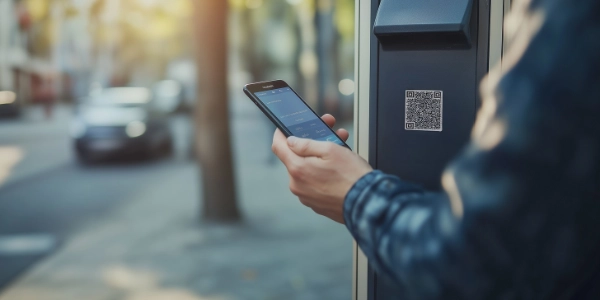
German insurance company R+V Versicherung has issued a warning regarding the growing prevalence of 'Quishing' attacks. This type of fraud combines QR codes with phishing tactics to steal sensitive information such as bank details, login credentials, and personal data.
Cybercriminals create deceptive QR codes that appear legitimate. When scanned by a smartphone, these codes can redirect users to fake websites designed to mimic official banking or service provider pages. Victims may then unknowingly enter their sensitive information directly into the hands of fraudsters. In other cases, scanning the code can lead to the silent installation of malware on the user's device.
These manipulated codes are distributed through various channels. They might be included in official-looking letters or emails requesting data updates or payments. Criminals also place them on posters, flyers, or public facilities like parking meters and bus stops, often promising special offers. Mirko Saam, R+V's information security officer, noted that these fake websites are often nearly indistinguishable from the real ones, making it difficult for individuals to detect the scam.
To protect themselves, R+V advises users to carefully inspect QR codes before scanning them. If a code appears to be an overlay or looks suspicious, it should not be used. It is recommended to use official apps or other secure payment methods. Furthermore, legitimate organizations like banks and government agencies typically do not request sensitive information via email or SMS. R+V emphasizes that if in doubt, users should always contact the supposed sender directly to verify information before proceeding.