SciBase's EIS Technology Selected as Primary Endpoint in NIH Skin Barrier Study
SciBase Holding AB's Electrical Impedance Spectroscopy (EIS) technology will serve as the primary endpoint in a new study led by the U.S. National Institutes of Health (NIH) to investigate environmental impacts on skin barrier function.
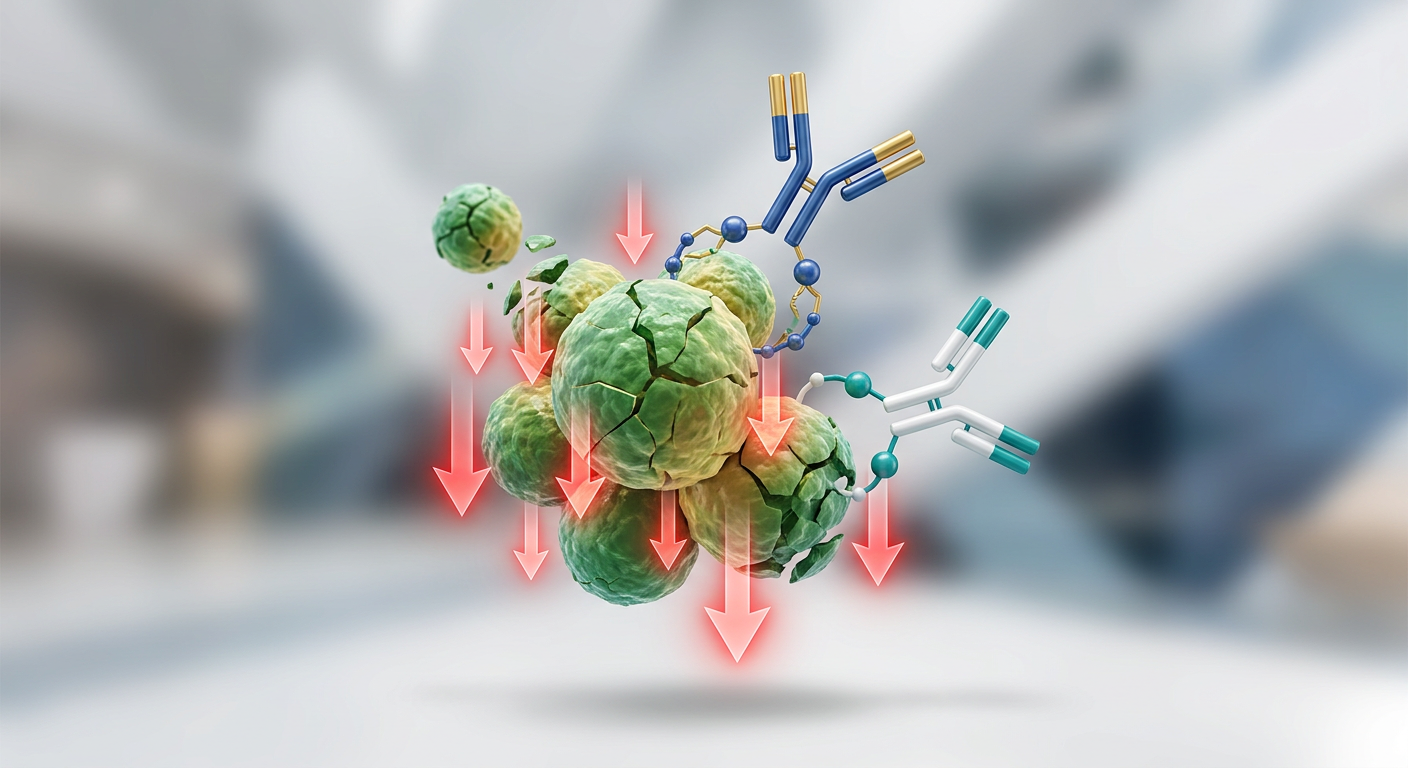
SciBase Holding AB, a medical technology company specializing in dermatology, announced on October 15, 2026, that its Nevisense device and Electrical Impedance Spectroscopy (EIS) technology have been selected for a significant role in a new study. The research is a collaboration between the U.S. National Institutes of Health (NIH) and the Swiss Institute for Allergy and Asthma Research (SIAF).
The study, titled THREAT (Testing Harms Related to Exposure to Allergenic Toxins), aims to explore how environmental exposures affect the skin's barrier function. The research will involve 80 healthy volunteers who will be exposed to common skin products containing sodium lauryl sulfate (SLS) and textiles made from synthetic fibers. The impact of these exposures will be measured and compared.
SciBase's EIS technology, which measures skin impedance, has been designated as the primary endpoint for assessing skin barrier dysfunction in the THREAT study. The technology transmits electrical signals at different frequencies, with the opposition to electrical flow reflecting the skin's barrier status. These measurements will be analyzed alongside molecular, microbiome, and inflammatory biomarkers.
The selection of EIS as a primary endpoint highlights its scientific relevance as an objective method for evaluating skin barrier function. SciBase CEO Pia Renaudin stated that this represents an important step in expanding the technology's role in dermatology and skin health research, with potential applications in cosmetics and skincare product development.