Scientists Develop New Method for Deciphering Ancient Scrolls
A new method helps identify the most promising of Herculaneum's ancient papyrus scrolls for deciphering. The research was published in the journal PLoS ONE.
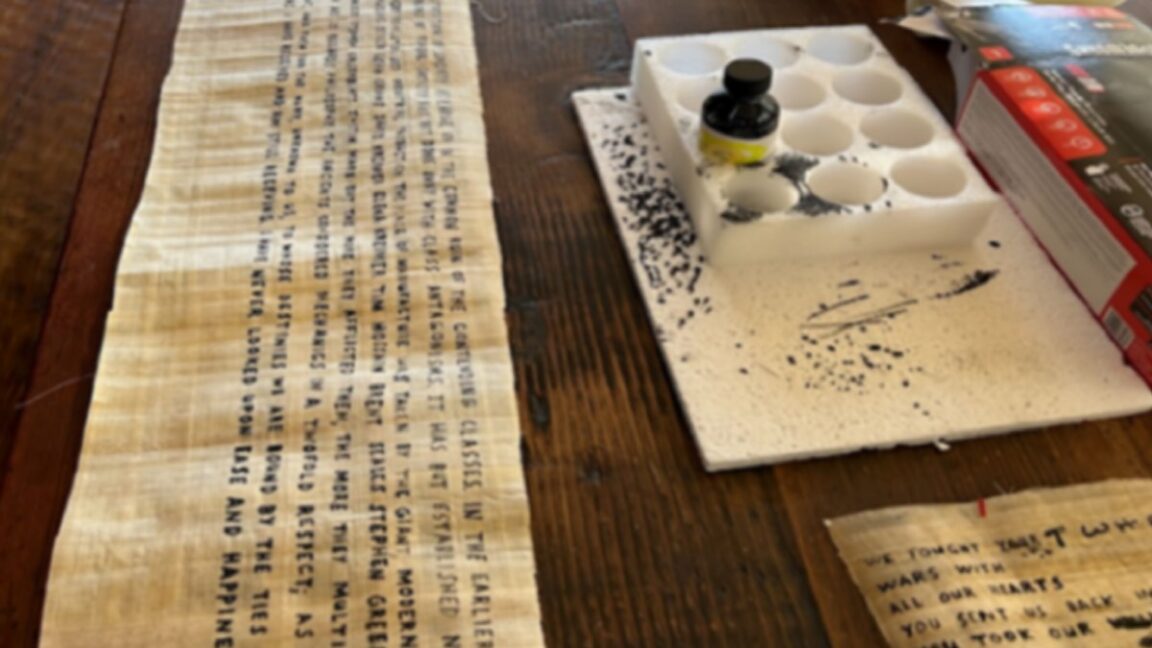
Researchers have developed a new method to identify which of the charred papyrus scrolls from Herculaneum were written in lead-based ink. This is a critical step in the Vesuvius Challenge project, which aims to digitally decipher over 600 fragile, 2,000-year-old scrolls destroyed in the 79 AD eruption of Mount Vesuvius.
In the new study, researchers created model papyrus scrolls and charred them similarly to the originals. This allowed them to validate a screening method that distinguishes scrolls written with lead-based ink from others. Lead-based ink is a prerequisite for digitally opening the scrolls, as it does not react with the carbonized papyrus in the same way as other ink types.
The Herculaneum scrolls were discovered in the ruins of a Roman villa and are believed to have belonged to the Epicurean philosopher Philodemus. Only a few scrolls have been physically opened due to their extreme fragility, revealing texts on Greek philosophy. The majority of the more than 600 scrolls remain unopened.
The Vesuvius Challenge project employs "digital unwrapping" and crowdsourced machine learning to interpret the scrolls without physical manipulation. The new method represents a significant advancement in the study of this delicate historical material.