Screen Brightness Misconceptions Addressed by Wisevision Optronics
Jiangxi Wisevision Optronics clarifies misconceptions about screen brightness, explaining that while high brightness aids outdoor visibility, excessive levels indoors can cause eye strain and affect sleep.
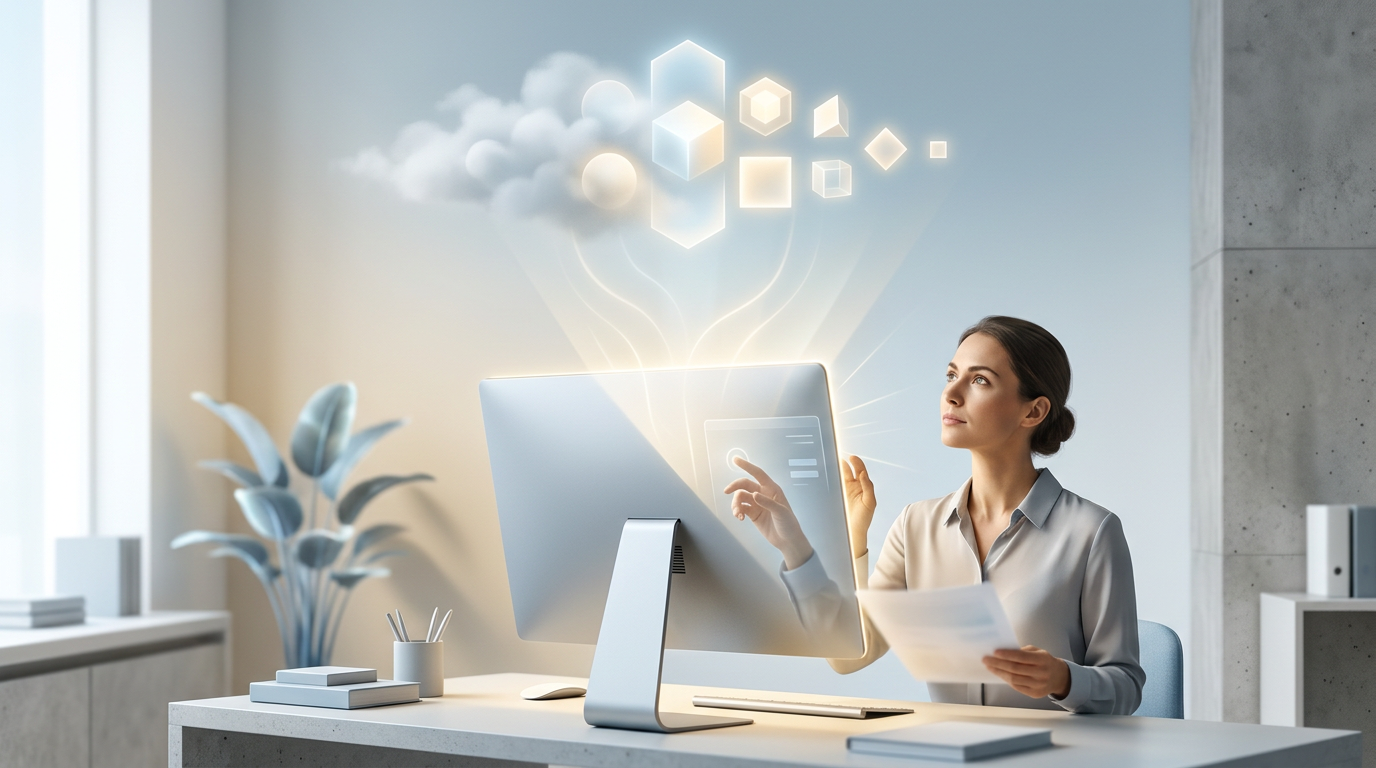
Jiangxi Wisevision Optronics Co., Ltd. has addressed a common misconception that higher screen brightness equates to a superior product. The company argues that in reality, excessively bright screens can lead to eye strain and other issues under certain lighting conditions.
The primary function of high brightness is to improve visibility in strong ambient light, such as when using a smartphone outdoors. It enables content to be seen clearly in challenging environments. However, the company points out that this feature is not intended for continuous use indoors or in dim light.
When a screen is too bright in low-light settings, it can cause visual fatigue, dryness, and discomfort. Additionally, high brightness levels increase the emission of blue light, which may potentially damage the retina and suppress melatonin secretion, affecting sleep quality.
Wisevision advises users to utilize features like Auto-Brightness and Night Shift or Eye Comfort Mode for a more comfortable viewing experience. Auto-Brightness uses ambient light sensors to adjust the screen in real-time, while night modes reduce blue light exposure in the evenings. Dark Mode can also help reduce overall screen light intensity in low-light environments.
A truly excellent screen, according to the company, should adapt intelligently to various lighting conditions, offering clarity in daylight and comfort in dim light. The screen's ability to adjust its brightness to the environment is deemed more critical than its peak brightness.