Screen Brightness: More Isn't Always Better, Says Wisevision
Jiangxi Wisevision Optronics clarifies misconceptions about screen brightness, stating that intelligent adaptation to ambient light is more crucial for eye health than peak brightness.
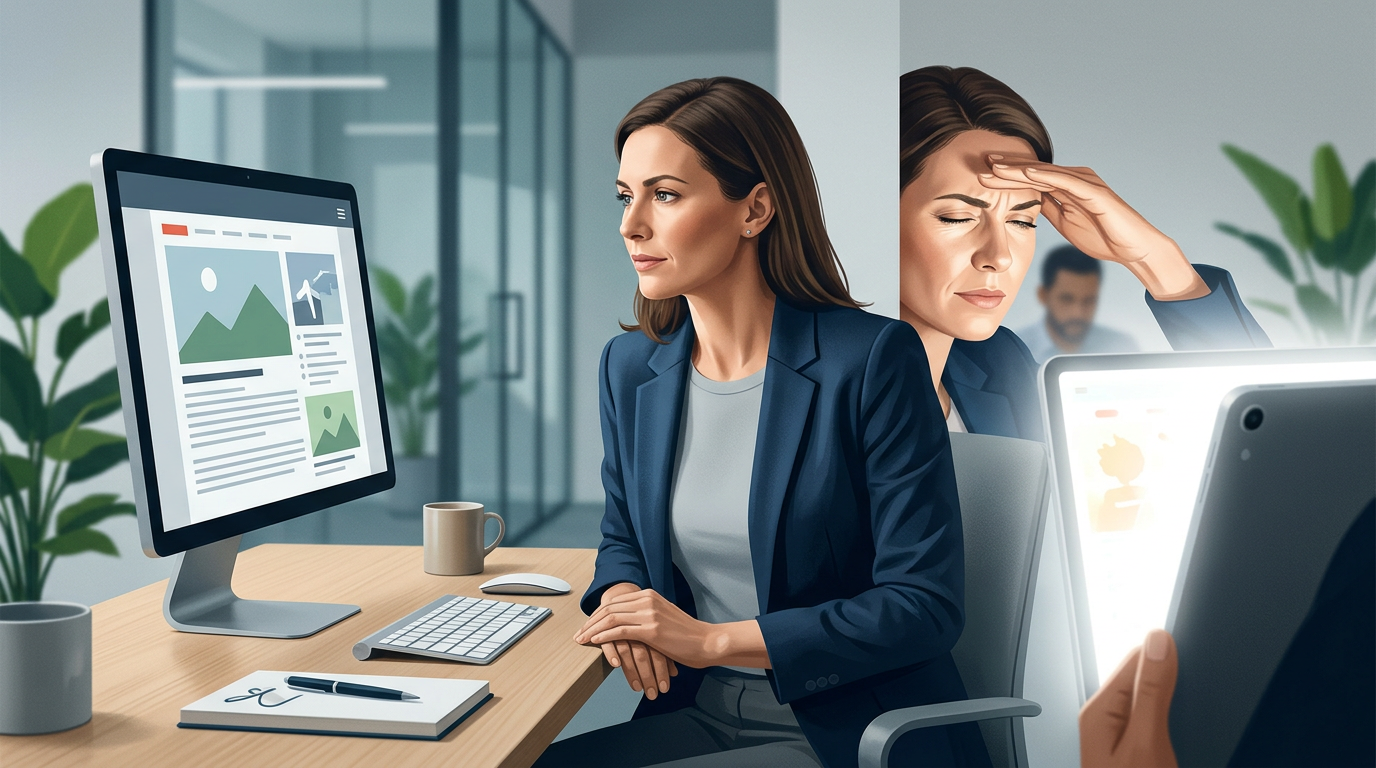
Chinese display technology firm Jiangxi Wisevision Optronics Co., Ltd. has issued a statement to address common misunderstandings regarding screen brightness. The company emphasizes that high peak brightness does not automatically equate to a superior product, asserting that the ability to adapt to environmental lighting is paramount for eye health.
According to Wisevision, high brightness primarily serves to enhance screen visibility in strong light conditions, such as during outdoor navigation on a sunny day. It is intended to solve the problem of poor visibility in specific environments, rather than being a standard for daily use.
Conversely, using an overly bright screen in dim indoor settings or at night can lead to several issues. The eye's pupils dilate in low light, and excessive screen brightness can cause eye muscles to strain, resulting in fatigue, dryness, and discomfort. Furthermore, higher brightness levels increase the emission of harmful blue light, which may cause cumulative retinal damage over time and suppress melatonin secretion, negatively impacting sleep quality.
The company advises users to utilize auto-brightness features, which adjust screen luminosity in real-time based on ambient light. Features like 'Night Shift' or 'Eye Comfort Mode,' which reduce blue light proportion, and 'Dark Mode' for low-light environments are also recommended to minimize eye strain.
Wisevision concludes that a truly excellent screen offers a comfortable viewing experience under all lighting conditions, and its quality should not be solely measured by peak brightness. Intelligent brightness adjustment is key to ensuring user comfort and eye health.