Scrubber Water Discharge Costs Baltic Sea Over EUR 680 Million
A new study from Chalmers University of Technology reveals that discharge from ships using exhaust gas cleaning systems, known as scrubbers, has caused socio-economic costs exceeding EUR 680 million in the Baltic Sea between 2014 and 2022.
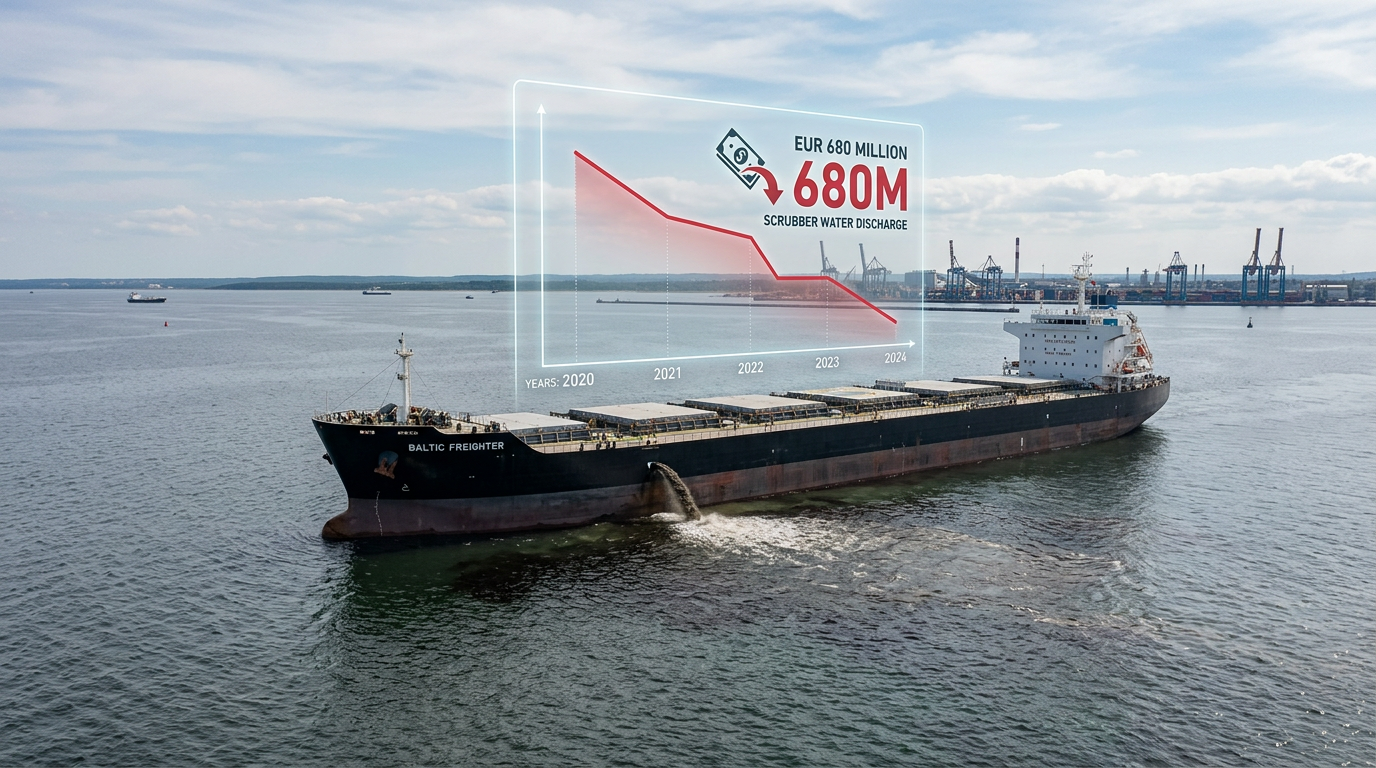
Discharges from ships equipped with exhaust gas cleaning systems, or 'scrubbers,' have resulted in socio-economic costs exceeding EUR 680 million in the Baltic Sea between 2014 and 2022, according to a new study from Chalmers University of Technology. While shipping companies invested in this technology to clean exhaust, the discharged wash water pollutes one of the world's most sensitive seas. Researchers highlight a conflict between private economic interests and marine environmental health.
The study, published in Nature Sustainability, analyzed over 3,800 vessels that invested in scrubber technology. It found that the installations allowed ships to continue using cheaper, heavier fuel oil instead of cleaner alternatives. Despite the initial investment costs for scrubbers, the majority of shipping companies have recouped their expenses, generating substantial profits while incurring environmental damage.
Researchers calculated the external costs of scrubber water discharge on marine ecosystems, estimating the damage at over EUR 680 million during the study period. These figures are considered an underestimate as they do not include costs related to potential oil spills from ships burning heavy fuel oil. Previous research by Chalmers indicated that over 200 million cubic meters of hazardous scrubber water are discharged annually into the Baltic Sea.
The study also examined the financial aspect for shipowners. It concluded that most open-loop scrubber systems are repaid within five years. The total surplus for the analyzed fleet by the end of 2022 was estimated at EUR 4.7 billion. This finding challenges the argument that shipping companies should not be penalized, as their investments have largely been recovered.
Several countries, including Denmark, Germany, and China, have already implemented bans or restrictions on scrubber water discharge in their territorial waters. While Sweden has not enacted a general ban, ports like Gothenburg have introduced their own regulations. The researchers urge Swedish authorities to prioritize addressing this issue to mitigate negative impacts on the Baltic Sea environment.