Seasats Deploys Unmanned Vessels for U.S. Border Security in Gulf of America
Seasats has deployed a fleet of Lightfish unmanned surface vessels (USVs) for U.S. maritime border security operations in the Gulf of America, expanding on earlier surveillance efforts.
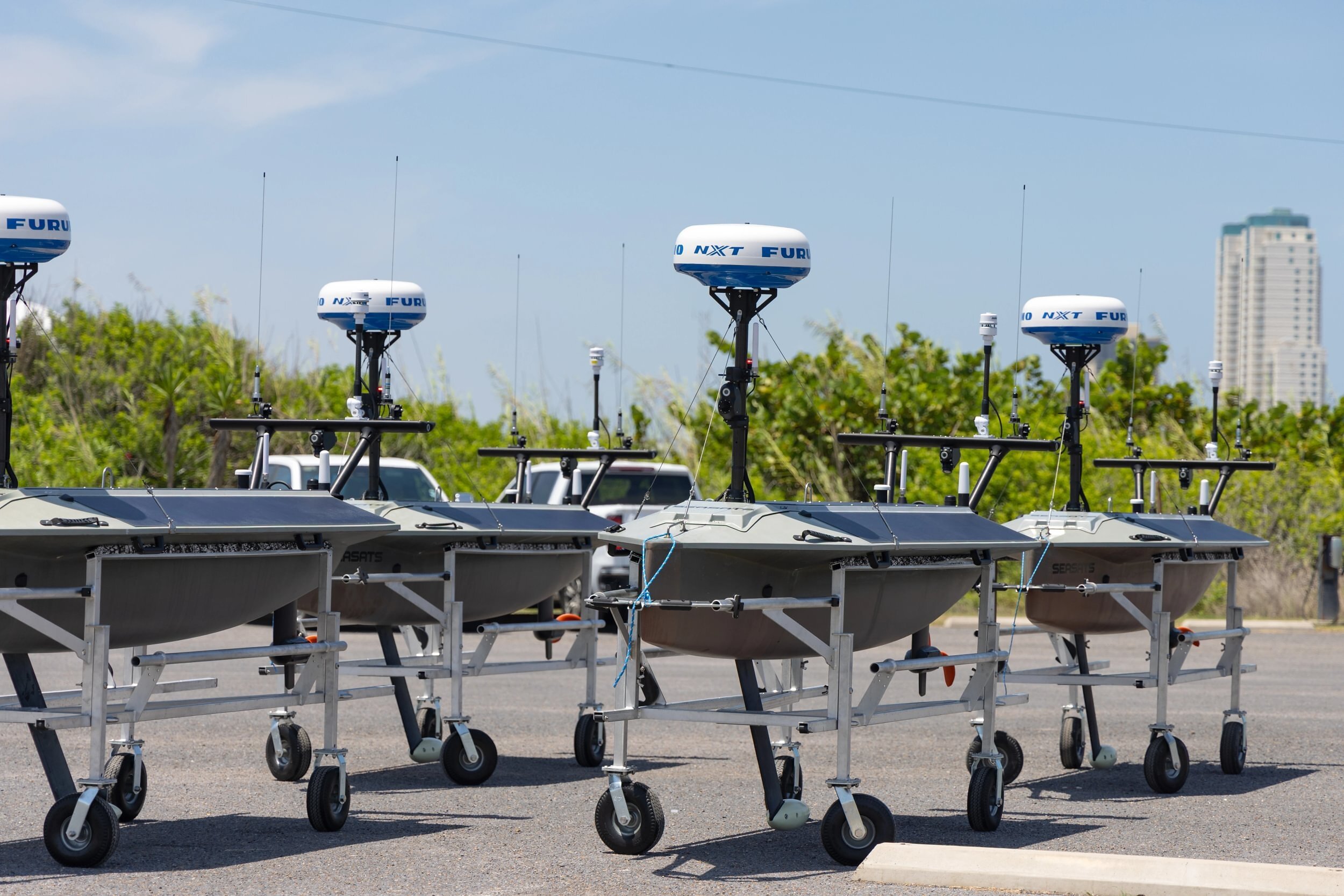
Seasats has deployed a fleet of Lightfish unmanned surface vessels (USVs) to support U.S. maritime border security operations in the Gulf of America. The fleet will conduct persistent autonomous surveillance to detect illegal maritime activity, including drug trafficking and unauthorized vessel ingress.
The deployment expands on Seasats' previous support of border security efforts along the southern border. Since January 2026, Lightfish vessels have operated on the Rio Grande, providing surveillance and early warning alongside crewed patrol assets. This new operation extends that mission into open water.
Maritime domain awareness has traditionally relied on manned patrols, which are limited by crew endurance, operating costs, and coverage area. The Lightfish fleet operates autonomously without a crew, designed to provide continuous surveillance and close significant spatial and temporal gaps, complementing existing assets.
Each approximately 11-foot-long, 340-pound vessel is solar-powered and capable of multi-month endurance. The modular design allows for various sensor payloads to be configured for specific tasks.
"The Gulf is too vast to monitor with crewed hulls alone. A Lightfish is solar powered and has no one aboard, so it can hold station for months," said Mike Flanigan, CEO of Seasats. He added that the fleet provides continuous coverage of an area previously seen only in snapshots.