Self-Checkout Lanes Lead to Increased Losses, Retailers Reduce Use
Retailers are scaling back self-checkout lanes as they have significantly increased merchandise losses. Theft and errors have been identified as key drivers of this increase.
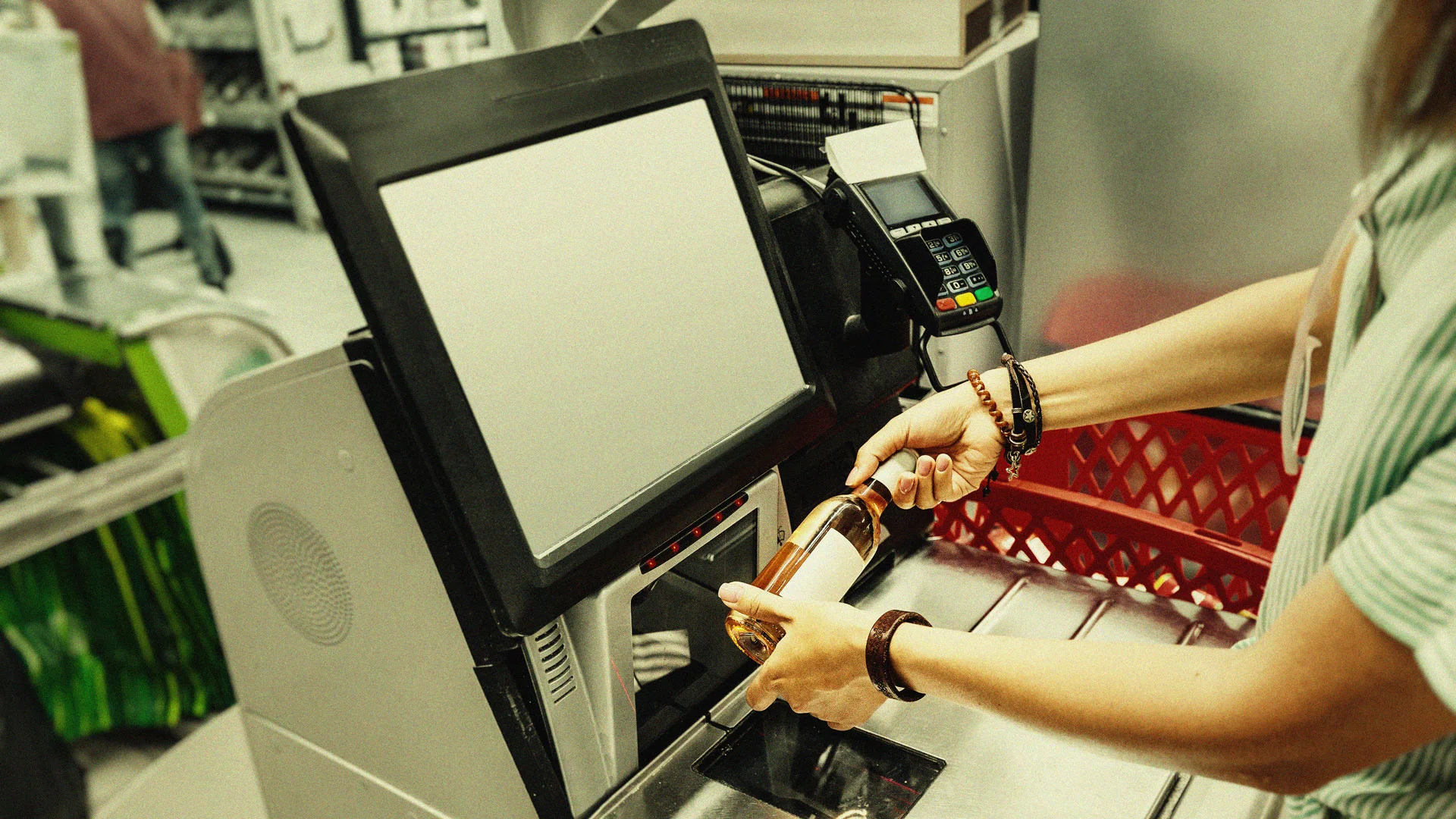
Some retailers are beginning to phase out self-checkout lanes just years after their implementation, driven by an unexpected consequence: increased merchandise losses. This shift marks a reevaluation of the technology's cost-benefit for businesses.
A survey indicated that approximately 36 percent of small and midsize retail operators utilized self-checkout lanes in 2026, down from 43 percent in the previous year. This decrease suggests a growing awareness of the challenges associated with the technology.
According to a report by ECR Retail Loss, grocery stores experienced an average 22 percent increase in merchandise losses in the year following the installation of self-checkout lanes. These losses encompass both intentional theft and accidental errors, such as missed scans or incorrect product selections.
Experts note that while self-checkout can offer convenience for customers with few items, it may lead to frustration with larger purchases. The technology's effectiveness appears to be diminishing as its use expands beyond optimal transaction types.