Senckenberg Centre Studies Earth's Dynamics and Biodiversity
The Senckenberg Centre for Human Evolution and Palaeoenvironment analyzes the dynamics of the Earth system and its biodiversity for the future. The institution operates three public natural history museums in Frankfurt, Dresden, and Görlitz.
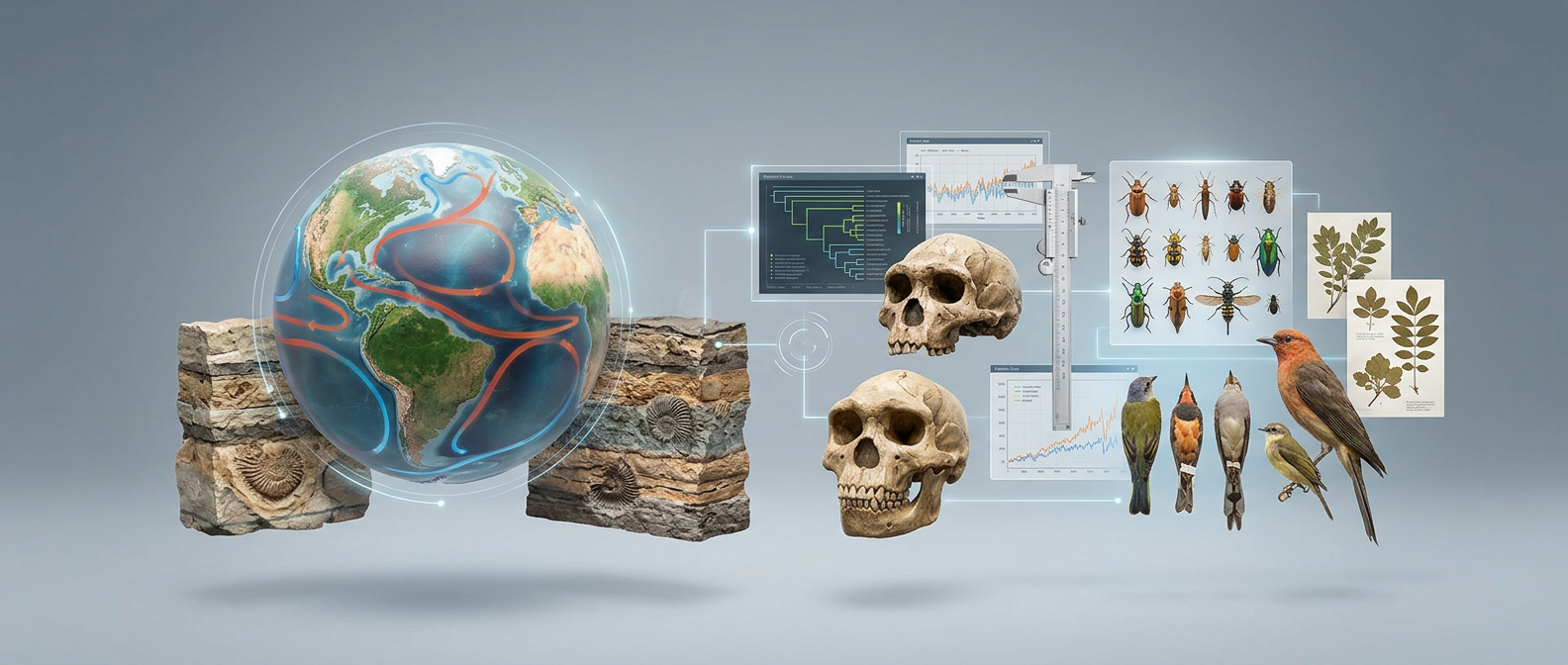
The Senckenberg Centre for Human Evolution and Palaeoenvironment is analyzing the dynamics of the Earth system and its biodiversity for the future. The research institution aims to understand biodiversity and its interactions within the Earth system.
Senckenberg operates three natural history museums open to the public in Frankfurt, Dresden, and Görlitz. These museums offer insights into nature, biodiversity, and the past for visitors of all ages. Starting December 2025, the Frankfurt museum will feature "Ganz schön warm hier! Leben und Sterben in Messel" (It's quite warm here! Life and death in Messel), exploring life 47 million years ago.
The Dresden museum will open the "iNuversumm" exhibition on November 1, 2025, focusing on the fascinating world of insects. The Görlitz museum will launch "Deutschlands Bodenschätze" (Germany's mineral resources) on October 3, 2025, showcasing the country's mineral and natural resources.
Senckenberg's research is divided into four main areas: Biodiversity, Systematics, and Evolution; Biodiversity and Humans; Biodiversity and Climate; and Biodiversity and Earth System Dynamics. The research is conducted at sea, in laboratories, in the field, and through studies of the past.
The institution houses one of the world's largest natural history collections, comprising over 45 million specimens. These collections are augmented by extensive research infrastructure.