Senckenberg Research Centre Analyzes Earth System Dynamics
The Senckenberg Centre for Human Evolution and Palaeoenvironment analyzes the dynamics of the Earth system and researches biodiversity for the future. Its work spans various ecosystems and research areas.
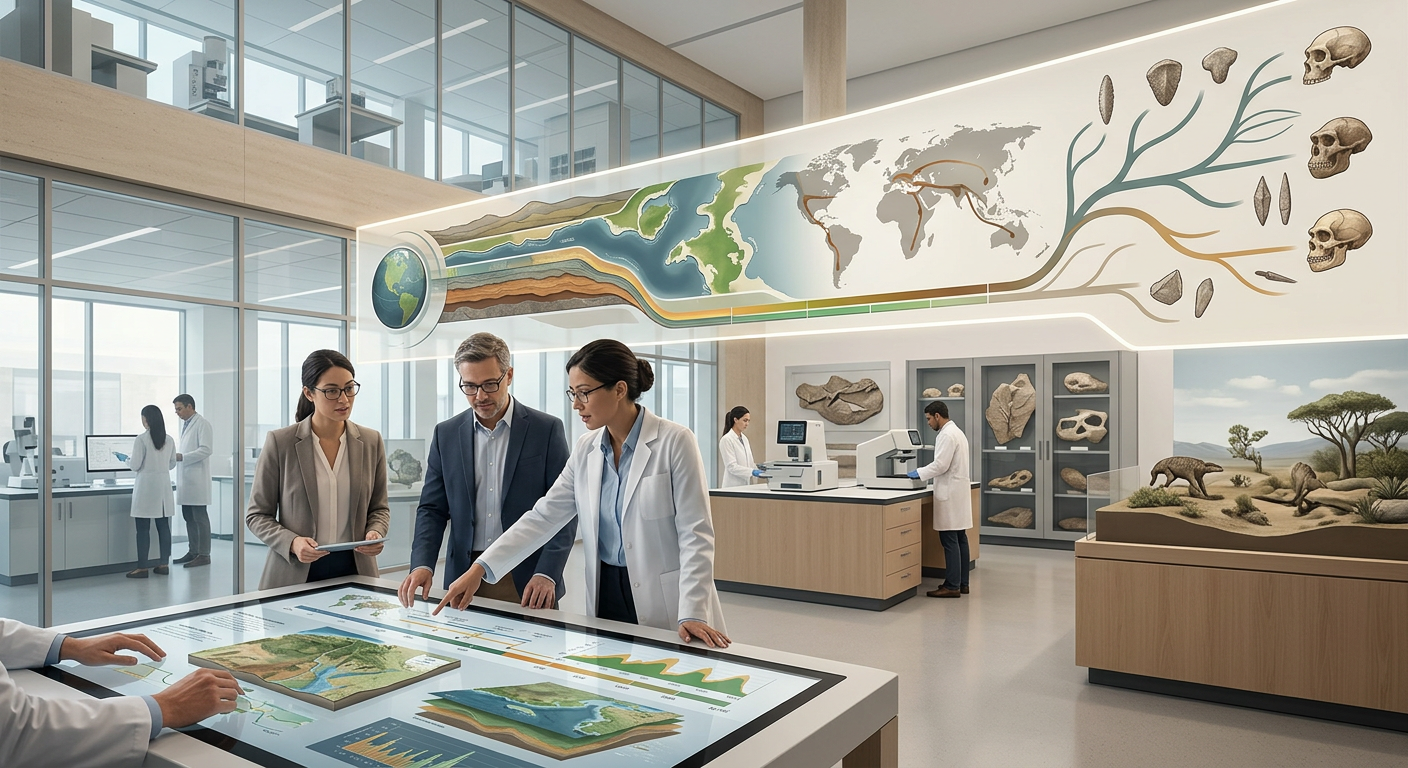
The Senckenberg Centre for Human Evolution and Palaeoenvironment, part of the Senckenberg Natural Research Society, focuses on analyzing the dynamics of the Earth system. The institution aims to understand the diversity of life and its significance for the future.
The research encompasses multiple domains, including work at sea, in laboratories, field studies, and investigations into the past. Senckenberg houses extensive collections, with over 45 million specimens, ranking among the world's top six natural history collections. These collections, coupled with its research infrastructure, support a broad spectrum of scientific endeavors.
The organization also operates three natural history museums in Frankfurt, Dresden, and Görlitz. These museums offer the public insights into nature, biodiversity, and Earth's history. They also host exhibitions and events designed to enhance public understanding of natural sciences.
Senckenberg's research is structured into four main areas: Biodiversity, Systematics, and Evolution; Biodiversity and Humans; Biodiversity and Climate; and Biodiversity and Earth System Dynamics. These research pillars form the foundation for the institution's comprehensive efforts to understand the Earth system.