Senckenberg Research Identifies Invasive Turtles and Promotes Construction Botany
The Senckenberg Centre for Human Evolution and Palaeoenvironment has released research showing 14 out of 15 turtle species in Germany are introduced. The center is also offering public nature programs.
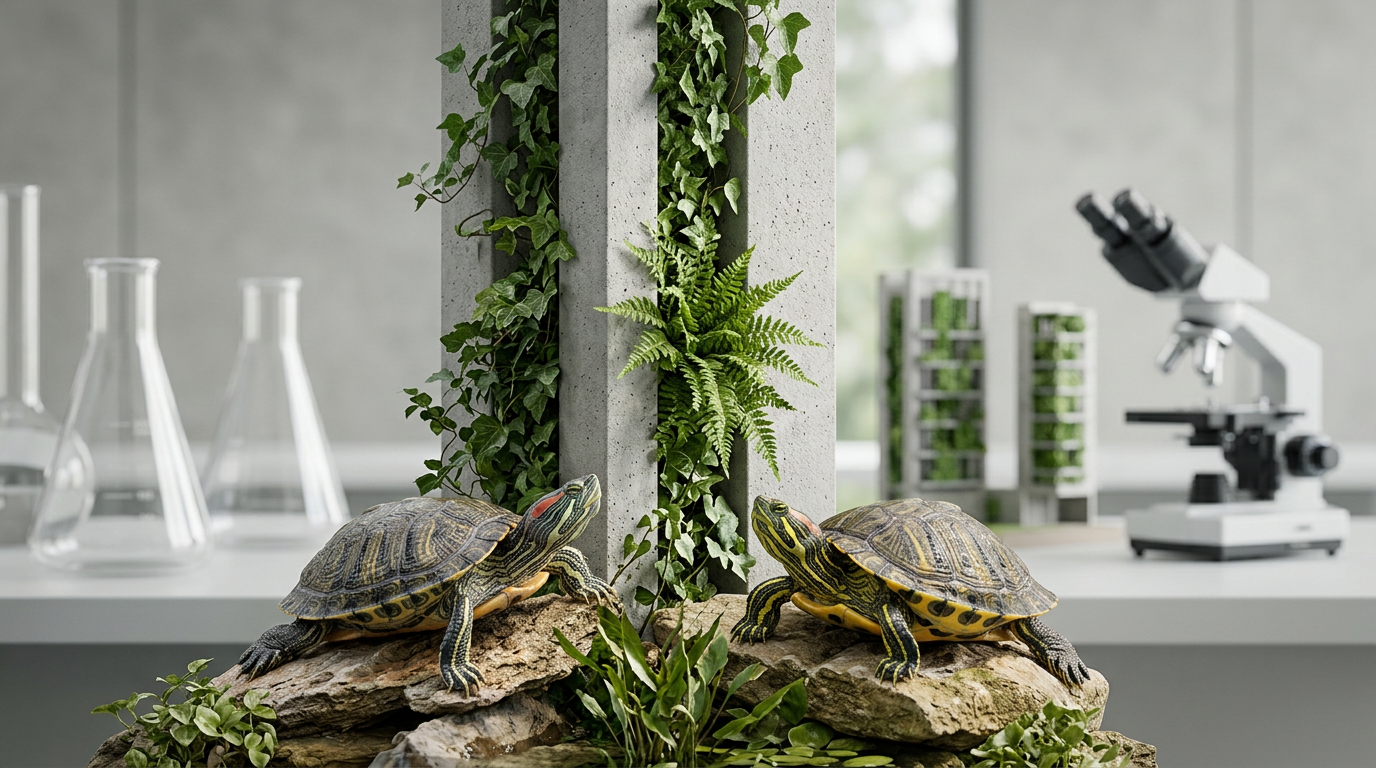
Researchers at the Senckenberg Centre for Human Evolution and Palaeoenvironment have published findings indicating that 14 of the 15 turtle species identified in German waters are introduced. This study raises concerns about the impact on native aquatic ecosystems.
The Senckenberg Centre, dedicated to analyzing Earth's system dynamics and researching biodiversity for the future, is also engaging the public. Its Natural History Museum in Görlitz will host a summer program from June to August, featuring photo tours, excursions, children's camps, family events, and a bat night.
Additionally, Senckenberg is presenting a lecture on "Building with Trees and Time – Construction Botany as a Future Model." This event will explore how trees and plants can be utilized as building materials in sustainable construction, examining their potential for future architectural and engineering applications.
Senckenberg's research spans diverse fields, including biodiversity, systematics, evolution, climate change impacts, and Earth system dynamics. With extensive collections numbering over 45 million objects, the institution provides a foundational resource for ongoing scientific inquiry into the planet's life forms and their future.