Senckenberg Research Station in Weimar Modernized
The Senckenberg Centre for Human Evolution and Palaeoenvironment has completed a significant modernization of its research station in Weimar. The renovations enhance facilities for fossil preservation and scientific research.
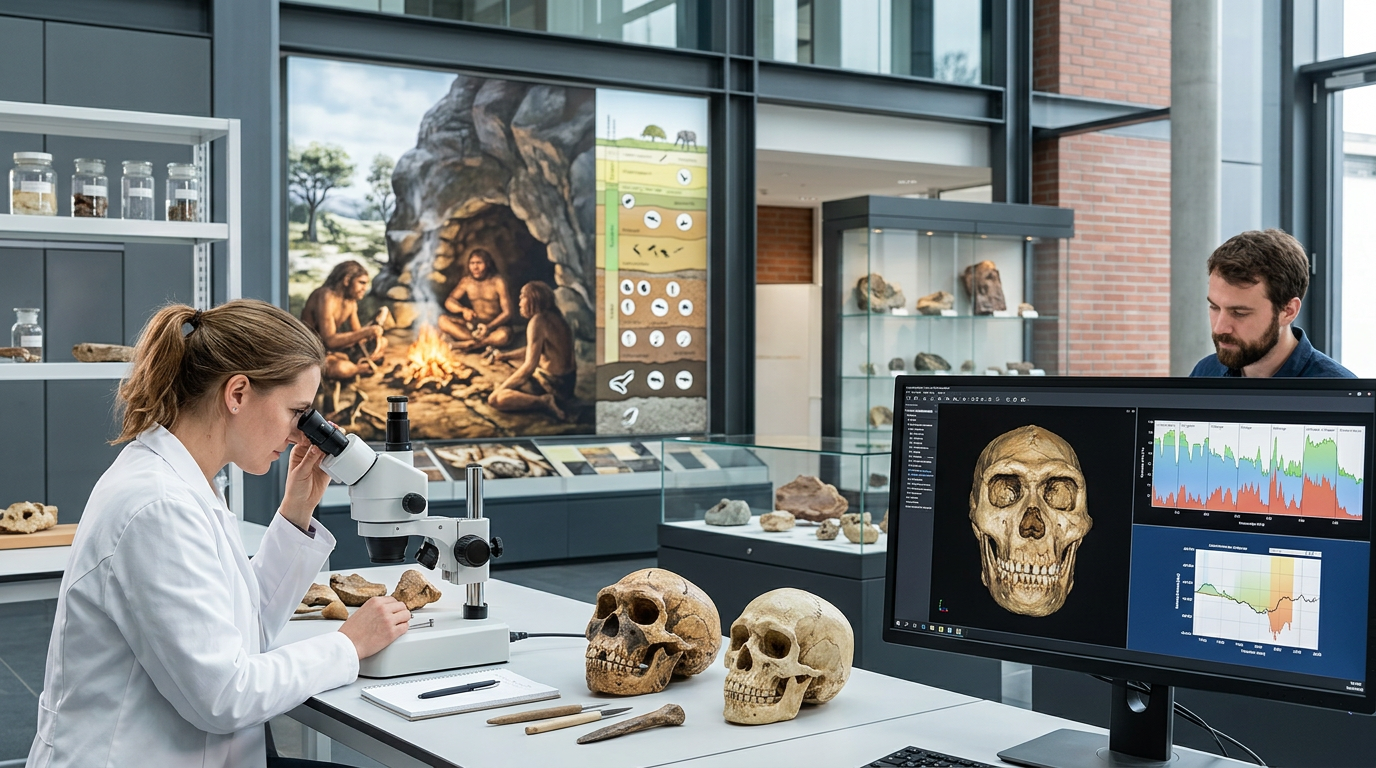
The Senckenberg Centre for Human Evolution and Palaeoenvironment has concluded a comprehensive modernization project at its research station for Quaternary Palaeontology in Weimar. Following several years of planning, construction, and renovation, the station is now equipped for decades to come.
The upgrades include structural reinforcement, improved energy efficiency, and updated safety systems for the buildings. The capacity of the research station's collections has also been substantially expanded. The station houses approximately 87,000 finds, specimens, and series dating back the last 2.6 million years. These collections feature fossils of large Pleistocene mammals, such as mammoths and saber-toothed cats, alongside paleobotanical materials documenting the vegetation history of Eurasia.
"We have achieved a great deal: the buildings are safer, energy efficiency has significantly improved, and our collection capacities are prepared for the expected growth in the coming decades," stated site director Dr. Martina Stebich. The construction work spanned from 2019 to 2026, facing specific challenges related to geological and climate-induced ground issues affecting the foundations.
Beyond expanding collection space, sustainability was a key focus of the modernization. The buildings' energy efficiency has been enhanced with new internal insulation, which proved effective during recent summer heatwaves. The station is also participating in Thuringia's sustainability agreement, aiming for future carbon-neutral energy supply.
Professor Andreas Mulch, Director of the Senckenberg Research Institute, emphasized that the renovation ensures the preservation of a unique scientific heritage and its accessibility for new research questions. The addition of two new section heads, Dr. Ana Balcarcel and Dr. Julia Galán García, strengthens the station's expertise in vertebrate paleontology.