Senckenberg Researchers Discover Rare Plant in Egypt
Botanists from the Senckenberg Centre for Human Evolution and Palaeoenvironment have identified the boraginaceous plant _Trichodesma africanum_ in Egypt's arid regions. The species, known for its traditional medicinal uses, has been found in ancient tombs.
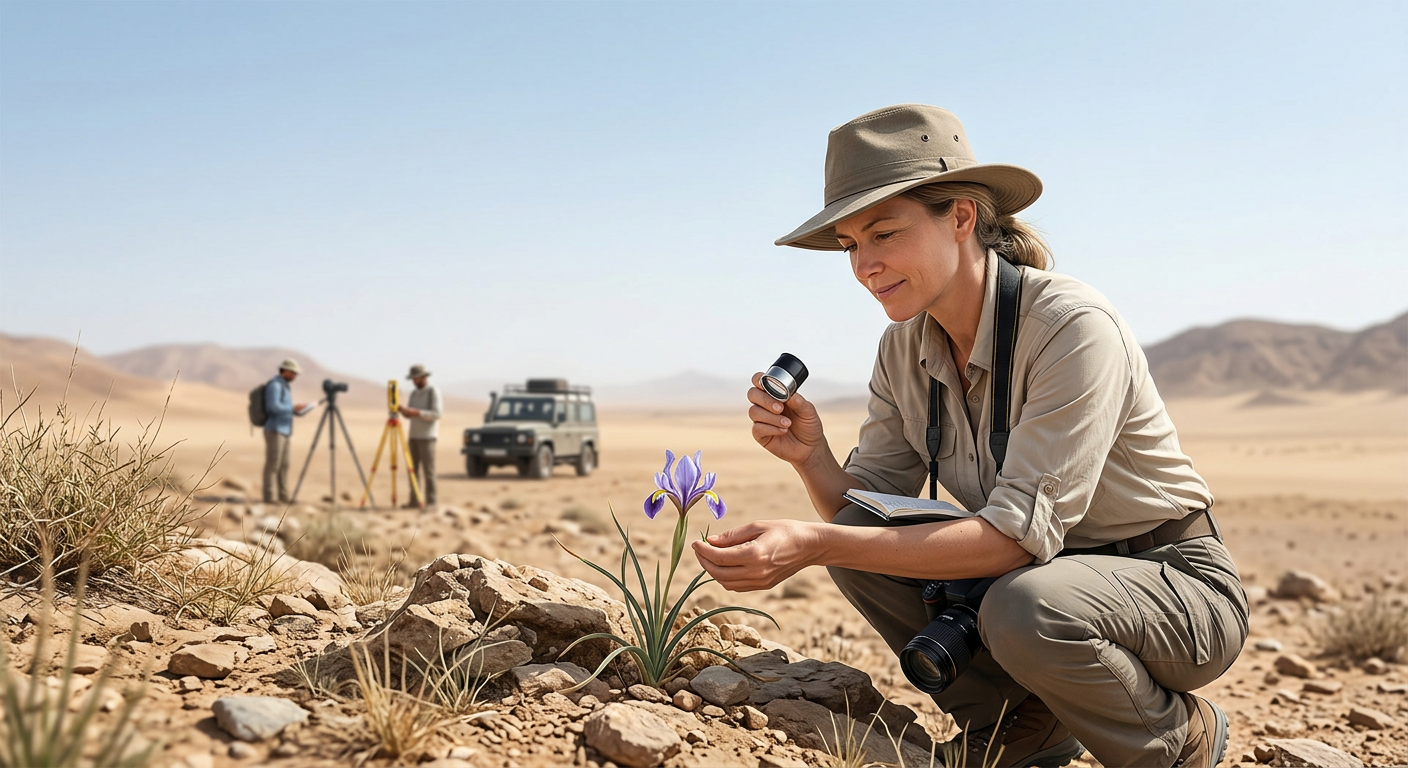
Botanists from the Senckenberg Centre for Human Evolution and Palaeoenvironment have reported the discovery of Trichodesma africanum during a research trip in Egypt. This plant, typically widespread across arid regions of Africa, Arabia, the Near East, and India, had not been previously found at the specific excursion site. It thrives in desert, savannah, and dry scrubland environments.
Trichodesma africanum contains pyrrolizidine alkaloids, rendering it toxic to rodents. The plant also holds historical significance, being used in folk medicine and recovered from ancient Egyptian tombs, designating it as one of the oldest documented medicinal plants. Its spiny, stiff hairs likely serve as a defense mechanism against herbivores.
During the field trip, researchers also documented other plants adapted to harsh conditions, including mangrove species like Avicennia marina and Rhizophora mucronata, as well as desert flora such as the thorny Zilla spinosa and the salt-tolerant Zygophyllum album. These observations highlight the unique botany of Egypt's arid landscapes and the remarkable adaptations of its plant life.
The expedition also involved underwater research in the Red Sea, exploring coral reefs and marine biodiversity. The Senckenberg Centre continues its work on understanding evolutionary processes and biodiversity worldwide.