Senckenberg Researches Diversity in Amphibians and Reptiles
The Senckenberg Centre for Human Evolution and Palaeoenvironment investigates the origin, maintenance, and consequences of amphibian and reptile diversity at various levels.
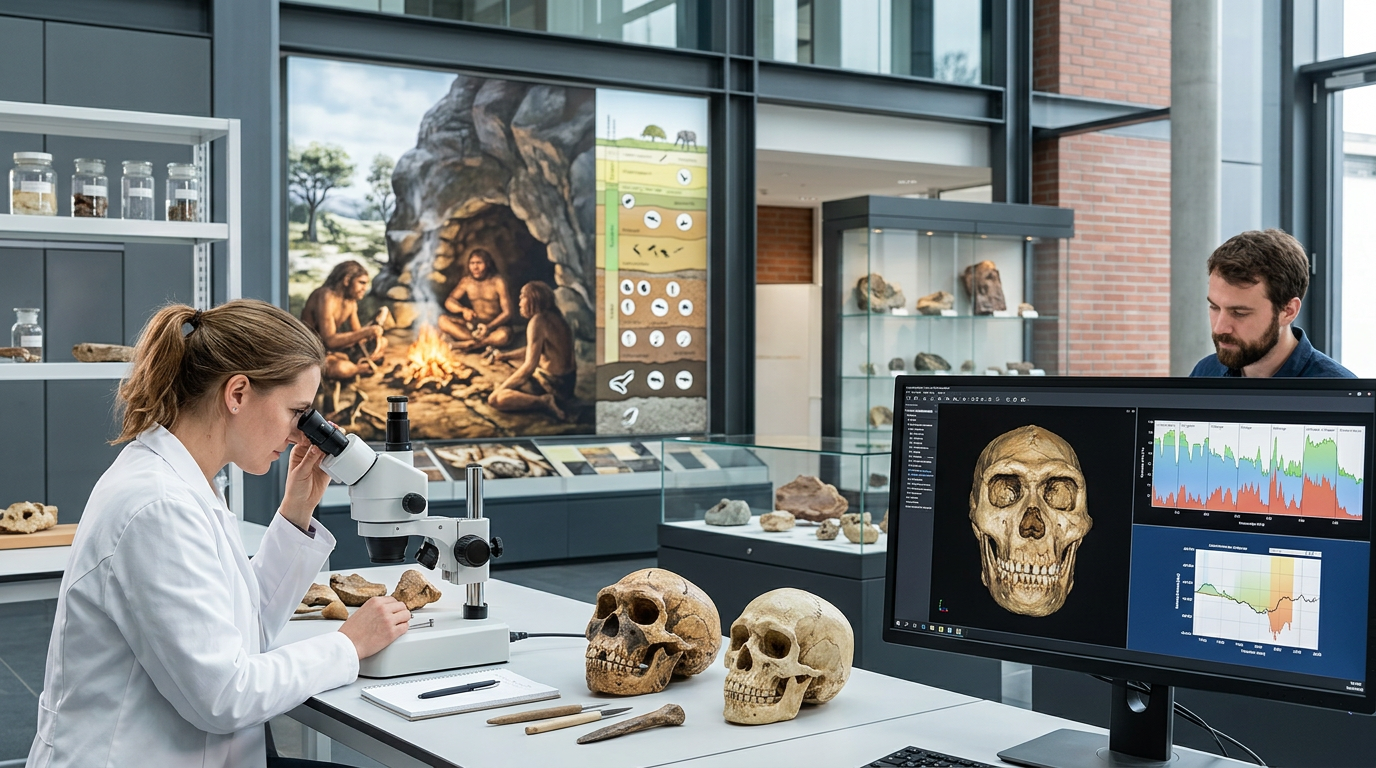
The Senckenberg Centre for Human Evolution and Palaeoenvironment is conducting research into the diversity of amphibians and reptiles (herpetology) on a global scale. The research focuses on the origin, maintenance, and consequences of species, beta, and functional diversity across different scales, including local communities and spatial and habitat gradients.
Research is primarily undertaken in the Guiana Shield of Northern South America and the Upper Guinea Forest Block of West Africa, with ongoing projects also in Peru, Brazil, Malaysia, Nepal, China, and Germany. The goal is to deepen the understanding of ecosystem processes and enhance the effectiveness of ecosystem management strategies.
Key research areas include community ecology, community phylogenetics, population ecology, animal ecology, and tropical biology. Researchers are also developing statistical models and standard methods for assessing and monitoring tropical amphibian communities under global change.
Senckenberg's collections, particularly from the Guiana Shield, form the backbone for numerous taxonomic, phylogeographic, and ecological studies. Combined with other holdings, they represent a valuable biological database providing researchers with extensive information and data.