Senckenberg's Mammalogy Section Studies Mammal Evolution and Ecology
The Senckenberg Centre for Human Evolution and Palaeoenvironment's mammalogy section maintains a collection of over 26,000 specimens and studies mammal morphology, ecology, and evolution.
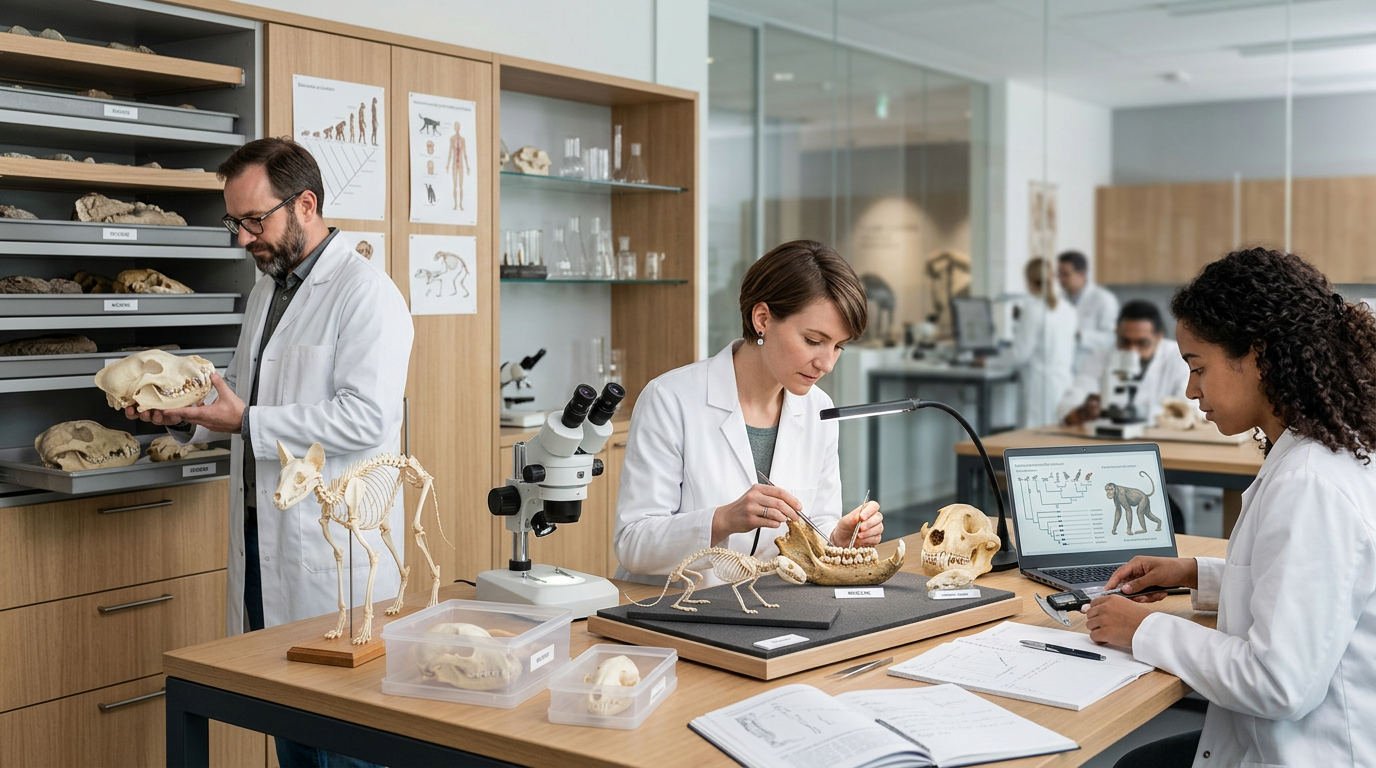
The Mammalogy Section at the Senckenberg Centre for Human Evolution and Palaeoenvironment conducts research into mammal evolution, morphology, and ecology. The research encompasses both extant species and fossils, utilizing the section's extensive collection of over 1,200 species and 26,000 specimens.
The unit's research covers a diverse range of mammals, including the morphological and ecological characteristics of rodents and carnivores such as otters and wildcats. Specific focus is placed on the microstructure and function of tooth enamel, as well as the biomechanics of jaw apparatuses, aiming to understand the factors driving evolutionary changes in mammalian tooth enamel structure.
Scientific work also involves studies of local fauna in Saxony, such as the distribution and ecology of small mammals at various altitudes. The section also undertakes taxonomic and phylogenetic research, for instance, on Tertiary beavers (Rodentia: Castoridae), comparing the evolution of beaver populations in Europe and North America.
The mammalogy collection comprises bones, skins, skeletons, and alcohol-preserved specimens, with the oldest items dating back to the early 19th century. Rarities in the collection include a preserved skin of the thylacine (Thylacinus cynocephalus) and an almost complete skeleton of the extinct Steller's sea cow (Hydrodamalis gigas), along with a life-sized model of it. While regional areas are emphasized, specimens are held from around the world, particularly from the Indo-Malayan region, Africa, and Eastern Europe.
The Senckenberg section also maintains a bibliography and data on the mammal fauna of Saxony and its distribution in the Dresden area. The research contributes to a broader understanding of mammal diversity and evolution.