Shenzhen Creality Explains 3D Printing Extrusion Process
Shenzhen Creality 3D Technology Co., Ltd. details the extrusion process in 3D printing, utilized in Fused Deposition Modeling (FDM) since the 1980s. The method involves melting plastic filament and building objects layer by layer.
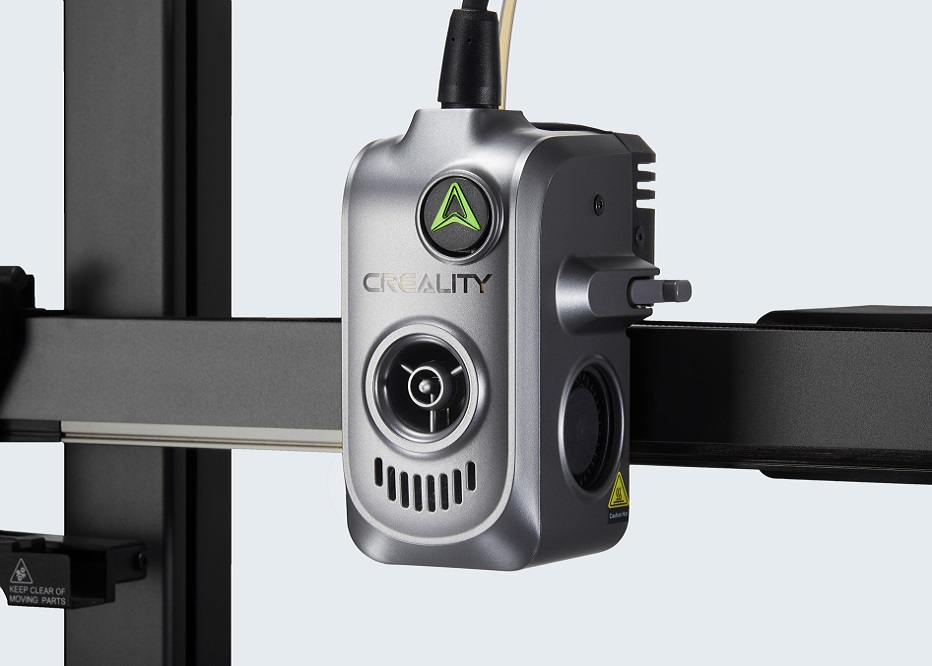
Shenzhen Creality 3D Technology Co., Ltd. has provided a breakdown of the extrusion process fundamental to 3D printing. This technique, originating in the 1980s, is primarily employed in Fused Deposition Modeling (FDM) printers. It involves heating plastic filament, such as PLA, ABS, or PETG, and pushing it through a nozzle to construct three-dimensional objects layer by layer as the material cools and solidifies.
The company outlines the core components of an extrusion system: the extruder, which grips and feeds the filament; the hotend, responsible for melting the filament to a specific temperature; and the filament itself, the thermoplastic printing material.
The extruder mechanism uses gears driven by a motor to move the filament consistently towards the hotend. The hotend contains a heating block and temperature sensors (thermistors) to maintain the precise melting point required for smooth extrusion. Creality notes that the type of extruder—direct drive mounted on the print head or a remote Bowden setup—can affect print speed and the ability to handle flexible materials.
During operation, the filament is pulled from a spool by the extruder and fed into the hotend. The filament melts and is then precisely deposited through a nozzle. The print head moves across the X and Y axes, while the build platform adjusts on the Z axis, building the object from the bottom up.
Creality emphasizes the importance of temperature control for different filament types to prevent issues like nozzle clogs or print deformation. Their printers, the company states, incorporate advanced components like thermistors to automatically maintain optimal temperatures for reliable printing results.