Ship Emissions Pose Cumulative Risk to Marine Environment
New research from Chalmers University of Technology indicates that traditional environmental risk assessments for shipping fail to account for the combined impact of multiple emission sources.
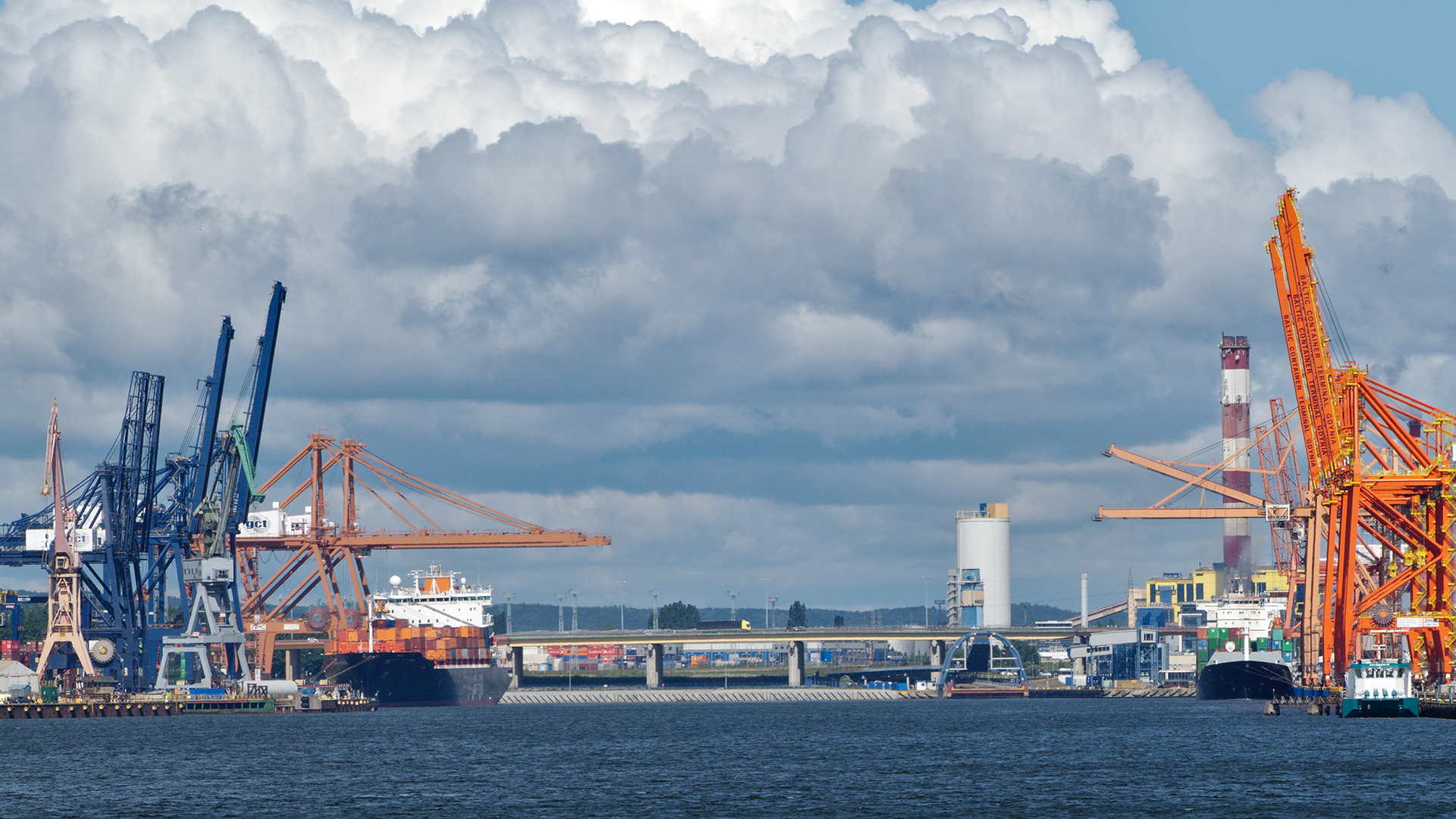
Emissions from shipping pose a significant threat to the marine environment, as traditional risk assessments do not adequately consider the cumulative effects of various emission sources. Researchers at Chalmers University of Technology have presented new findings that examine the aggregated risks of emissions in port environments.
The study revealed that the combined impact of multiple emission sources, such as wastewater from scrubber systems and antifouling paints, can considerably exceed acceptable risk levels. A single vessel can discharge hundreds of cubic meters of heavily contaminated water per hour, containing substances like heavy metals and toxic compounds.
Traditionally, environmental risk assessments have focused on single emission sources, like copper in antifouling paints. The new research emphasizes that ship emissions are multifaceted, encompassing greywater, blackwater, antifouling paint discharges, and scrubber effluent. According to the researchers, marine organisms are exposed to the total load of contaminants, irrespective of their origin.
Analysis of four port environments showed that three of them exhibited a cumulative risk level exceeding the acceptable threshold. Wastewater from scrubbers and antifouling paints were identified as the most significant contributors of hazardous substances. The study advocates for the inclusion of total load in risk assessments, as cumulative pollution can lead to severe consequences even in otherwise pristine marine areas.
The researchers urge a holistic evaluation of emissions, as assessing individual sources may underestimate the overall environmental danger. They consider the study a crucial step towards more accurate environmental risk assessments within the maritime sector.