Silicone Heaters Enhance Electric Vehicle Battery Performance
Electric vehicle (EV) batteries perform optimally within a narrow temperature range. Cold conditions can reduce performance and battery longevity. Silicone rubber heaters help maintain ideal operating temperatures.
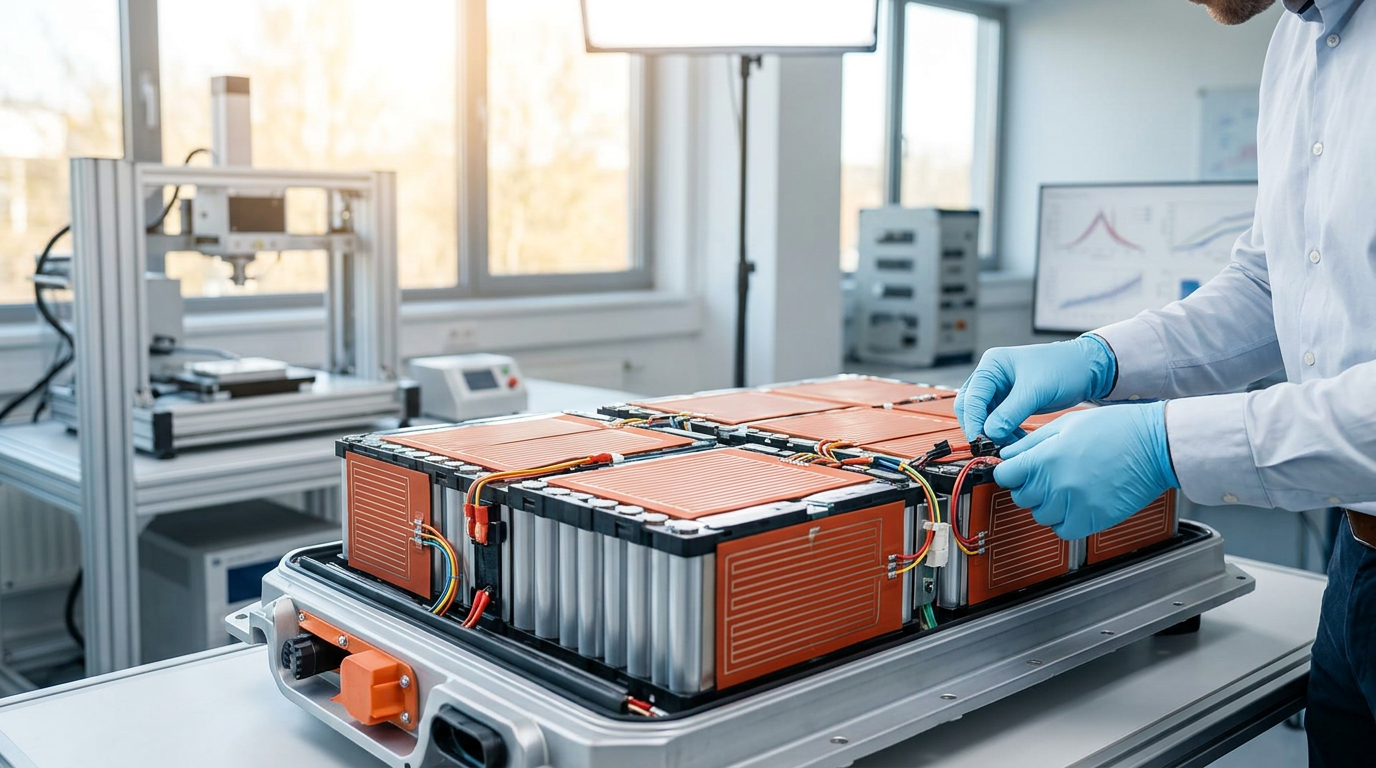
Shengzhou Jinwei Electric Heating Appliance Co., Ltd. is producing silicone rubber heaters designed to improve the performance and lifespan of electric vehicle (EV) batteries.
The heating elements address the issue of reduced efficiency in cold weather. EV batteries, particularly lithium-ion cells, operate best between 15°C and 35°C. When temperatures drop below freezing, charge acceptance and power delivery capabilities diminish significantly. In extreme cases, cold can accelerate cell degradation, permanently shortening the battery's usable life and affecting overall vehicle range.
These silicone heaters provide flexible and uniform heat directly to battery modules. Their adaptability allows them to conform closely to complex battery pack geometries, ensuring consistent temperature distribution and eliminating cold spots that rigid heaters might miss. While active heating consumes some energy, it is crucial for maintaining battery health and performance in sub-optimal conditions. The company specifies optimal power density for these heaters to be between 0.4 W/cm² and 0.8 W/cm², with an operational temperature range of -40°C to 200°C to ensure reliability.
Shengzhou Jinwei emphasizes the importance of durability and reliability in the automotive environment. The silicone heaters are engineered to withstand constant vibration, thermal cycling, and potential exposure to moisture or coolant leaks. Meeting stringent dielectric strength requirements is also critical for safety within high-voltage battery systems. The company focuses on providing solutions that ensure long-term, dependable operation for electric vehicles.