Singapore General Hospital Receives S$6 Million Grant for Autoimmune Disease Research
Singapore General Hospital is leading a research initiative awarded over S$5 million to improve the diagnosis and treatment of systemic sclerosis, a rare and deadly autoimmune disease.
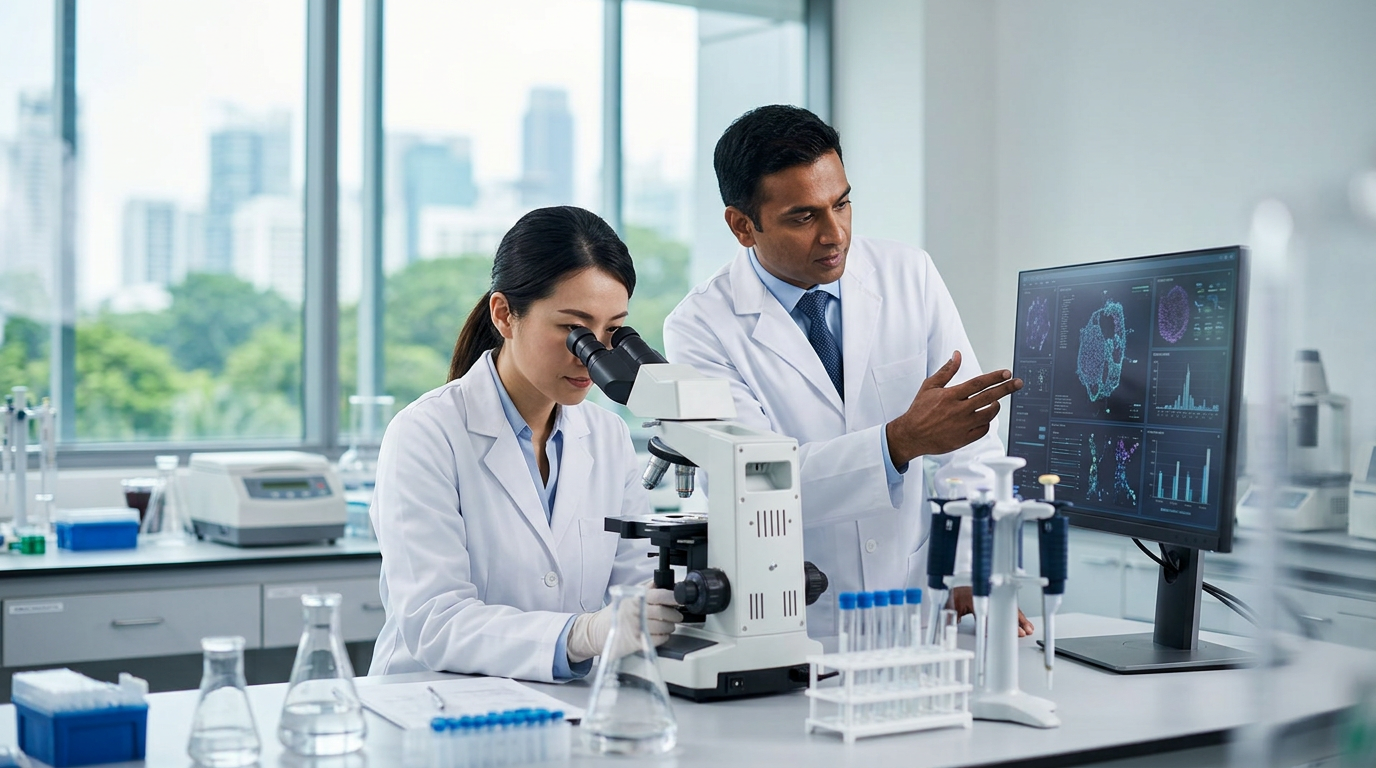
Singapore General Hospital (SGH) has secured a grant of over S$5.77 million (approximately US$4.3 million) to advance the fight against systemic sclerosis (SSc), a life-threatening autoimmune disease. The project, spearheaded by a multidisciplinary team of researchers at SGH, aims to enhance the diagnosis and treatment of the condition by leveraging artificial intelligence and multi-omics platforms.
Systemic sclerosis, also known as scleroderma, causes hardening of tissues in multiple organs, including the skin, heart, lungs, and gut, and can lead to widespread inflammation and narrowing of blood vessels. The disease presents particular challenges in Asian patients, who have shown poorer survival rates. Current treatments focus on managing symptoms, with no definitive cure available.
"SSc is particularly challenging as it affects each patient differently in terms of both severity and progression," stated Associate Professor Andrea Low, SYSMIC Project Lead and Senior Consultant at SGH's Department of Rheumatology and Immunology. "The goal is to develop more personalized treatments and better ways to predict how the disease will progress in different patients."
The five-year Singapore Systemic Sclerosis Precision Medicine Project (SYSMIC) will bring together experts from various fields, including clinician scientists, laboratory scientists, big data analysts, and imaging specialists. They will analyze and integrate patient data from their genes, immune systems, proteins, and gut bacteria.
Participating institutions in Singapore include the SingHealth Duke-NUS Translational Immunology Institute, Duke-NUS Medical School, the National Neuroscience Institute, and several other hospitals and universities. Researchers also plan to extend the study regionally to validate findings with patients from other Asian countries.