Singapore Scientists Link Gut Microbes to Anxiety Regulation
Research from Duke-NUS Medical School reveals that gut microbes influence anxiety levels by producing metabolites called indoles that affect brain pathways regulating fear and anxiety.
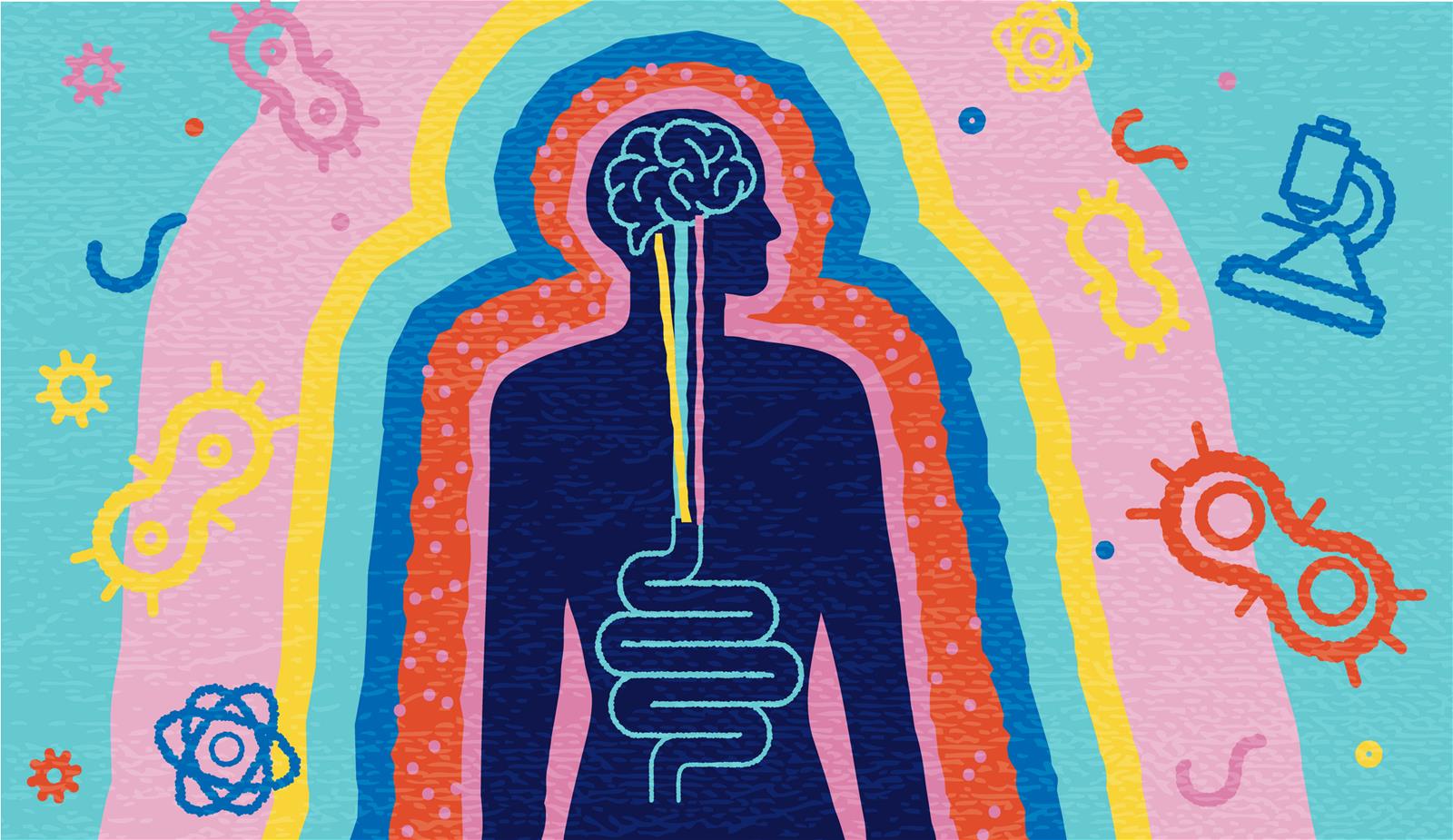
Scientists at Duke-NUS Medical School in Singapore have identified a crucial link between gut microbes and anxiety-related behavior. Their research, published in February 2025, indicates that certain metabolites produced by gut bacteria, specifically indoles, directly impact brain activity involved in regulating anxiety.
The study observed that germ-free mice, which lack exposure to live microbes, exhibited significantly higher levels of anxiety-related behavior compared to mice with a typical microbiome. This heightened anxiety was associated with increased activity in the basolateral amygdala, a brain region critical for processing emotions like fear and anxiety. The researchers found that the absence of microbes disrupted the function of specific SK2 calcium channels in neurons, which are linked to anxiety behavior.
When germ-free mice were introduced to microbes or given indole-based metabolites, activity in both the amygdala and SK2 channels decreased. This resulted in a marked reduction in anxiety-related behavior, strongly suggesting that microbially produced compounds are essential for maintaining mental balance.
The findings open new avenues for therapeutic interventions for anxiety disorders. Associate Professor Shawn Je from Duke-NUS highlighted that the research elucidates the specific neural process connecting the microbiome to mental health. Professor Sven Pettersson from the National Neuroscience Institute of Singapore emphasized the potential of indole-producing gut microbes as probiotics for developing tailored treatments for mental health conditions.