Small House Funding: Understanding Available Subsidies
Small houses, viewed as an alternative to traditional housing, can qualify for various subsidies. Eligibility depends on the intended use and energy efficiency.
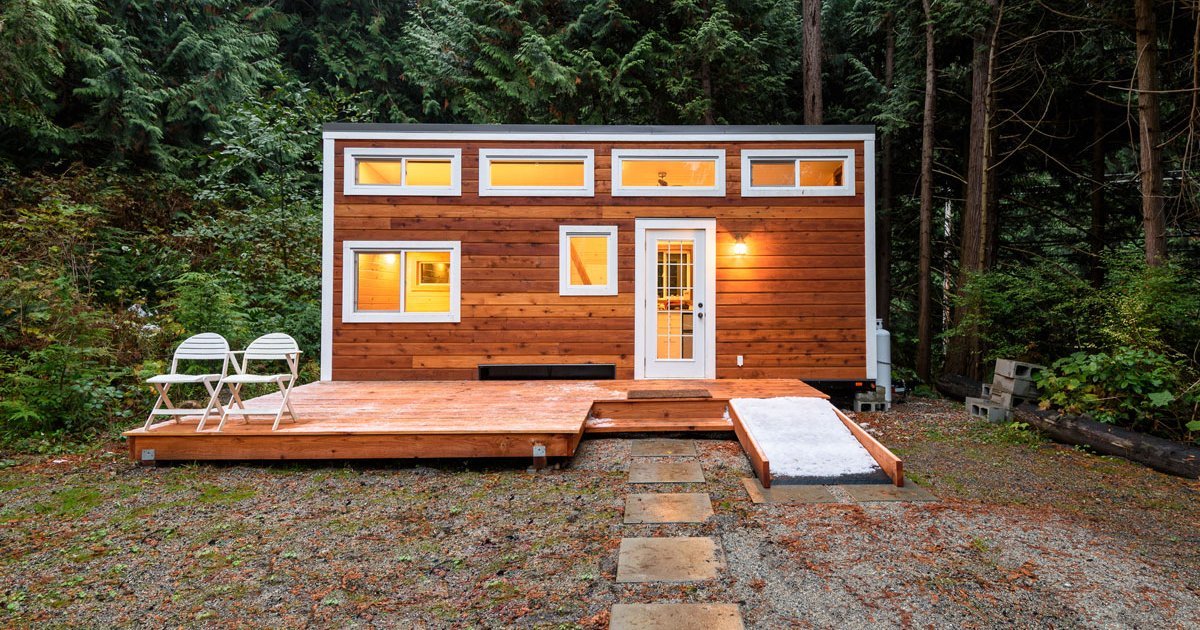
The construction of small, modular houses has long been a cost-effective option for those seeking flexible and minimalist living. However, rising material costs and increased demands for energy efficiency have led to higher expenses. Consequently, various subsidy programs are becoming increasingly important, especially for small houses intended for permanent habitation or those adhering to energy standards.
For stationary small houses that meet building standards, the same funding programs generally apply as for conventional homes. Federal subsidies for efficient buildings are a key focus. While achieving the KfW efficiency house standard can be challenging due to the construction methods typical of small houses, subsidies might still be available if the model is specifically designed for it. Additionally, the BAFA (Federal Office for Economic Affairs and Export Control) supports individual measures such as installing energy-efficient heating systems or insulating specific components.
Regardless of the building standard, separate funding is available for individual systems. Photovoltaic systems installed on small houses or carports may be eligible for support through investment grants for renewable energies, provided certain technical requirements are met. Battery storage systems also receive regional support in some federal states. Furthermore, small heat pumps may qualify for BAFA's heating subsidies, particularly benefiting small houses due to lower heating demand.
Regional funding programs are also worth exploring, as small houses are often used for infill development on private land or as accessory dwelling units. Several federal states offer support for alternative housing forms through initiatives aimed at housing or climate protection. Municipalities may also provide grants for energy-efficient renovations or the installation of solar systems.
The applicable subsidies depend heavily on the intended use of the small house. Those permanently residing in an energy-efficient model may access traditional building programs. For mobile or tourist-oriented small houses, industry-specific funding might be more appropriate. Therefore, clarifying the intended use and compliance with relevant standards early on is crucial for determining eligibility.