Smart Home Devices Pose Privacy Challenges as Laws Lag Behind
Smart home devices, like robotic vacuums, continuously collect data, creating significant privacy and legal challenges. Their use as evidence in court cases highlights the urgent need for updated legislation.
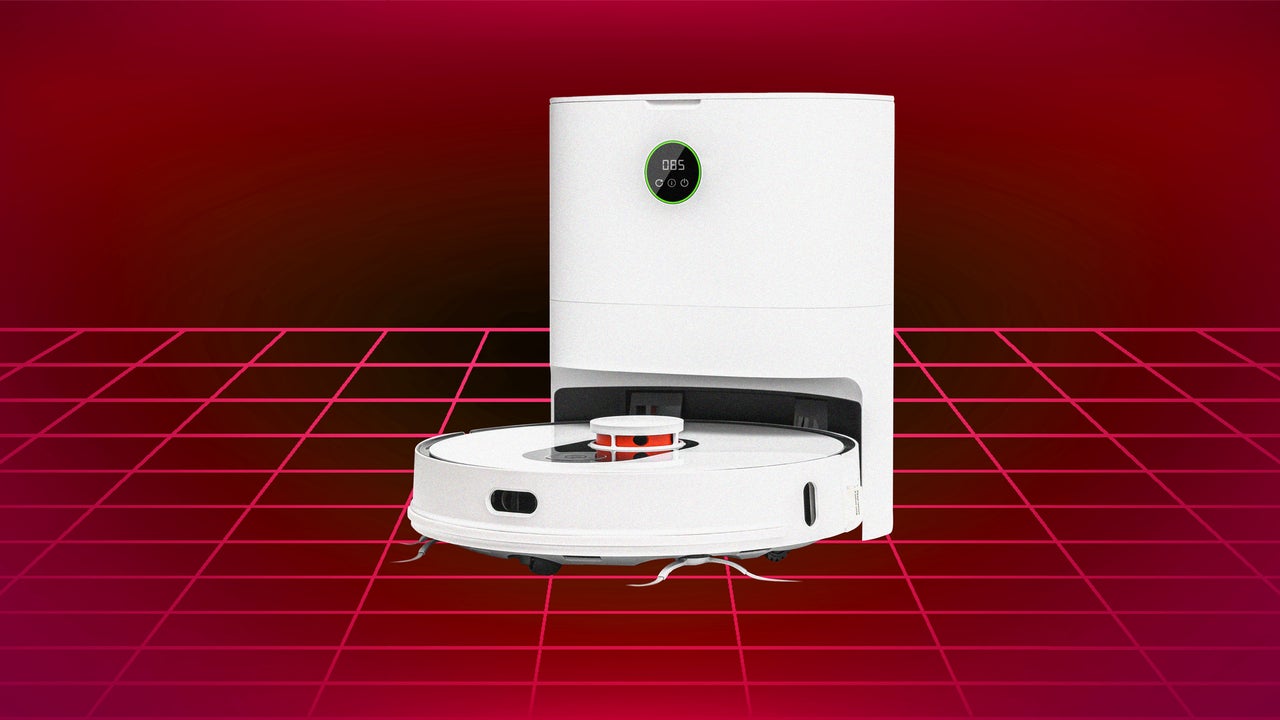
Smart home devices are increasingly becoming mobile sensor platforms, continuously collecting data within households. This technological advancement presents considerable challenges for privacy protection and legal frameworks, as legislation struggles to keep pace with rapid developments.
A case in Taiwan, where a husband used live video footage from his robotic vacuum as evidence in a marital infidelity suit, exemplifies the issue. While the man's actions led to a court victory and subsequently a conviction for illegally recording private activity, the case reveals a broader gap: devices often record data discreetly, and the information they generate is used as evidence in court without clear regulations.
These devices, equipped with cameras and microphones, create detailed floor maps and cleaning histories, with data often sent to manufacturers' servers. Past incidents have shown leaks of images from test homes due to ordinary training processes. Household data has already been used in numerous court cases, including murder investigations and domestic homicide charges, where data from smart speakers or fitness trackers has influenced proceedings.
The law faces significant hurdles concerning consent and notification, legality and admissibility of evidence, and reliability. Robotic vacuums that record video without audio may not fall under federal wiretap laws. Furthermore, the technical nature of these devices and their data retention policies can complicate establishing their reliability in court.
Experts emphasize the need for manufacturers to provide clearer disclosures about device recording capabilities and data handling. Updating legislation is also essential to effectively protect consumer privacy in this evolving technological landscape.