Social media trend compares how AI models handle academic dishonesty
Users are testing how various chatbots respond when prompted to assist with cheating on exams, revealing inconsistencies in AI safety and policy enforcement.
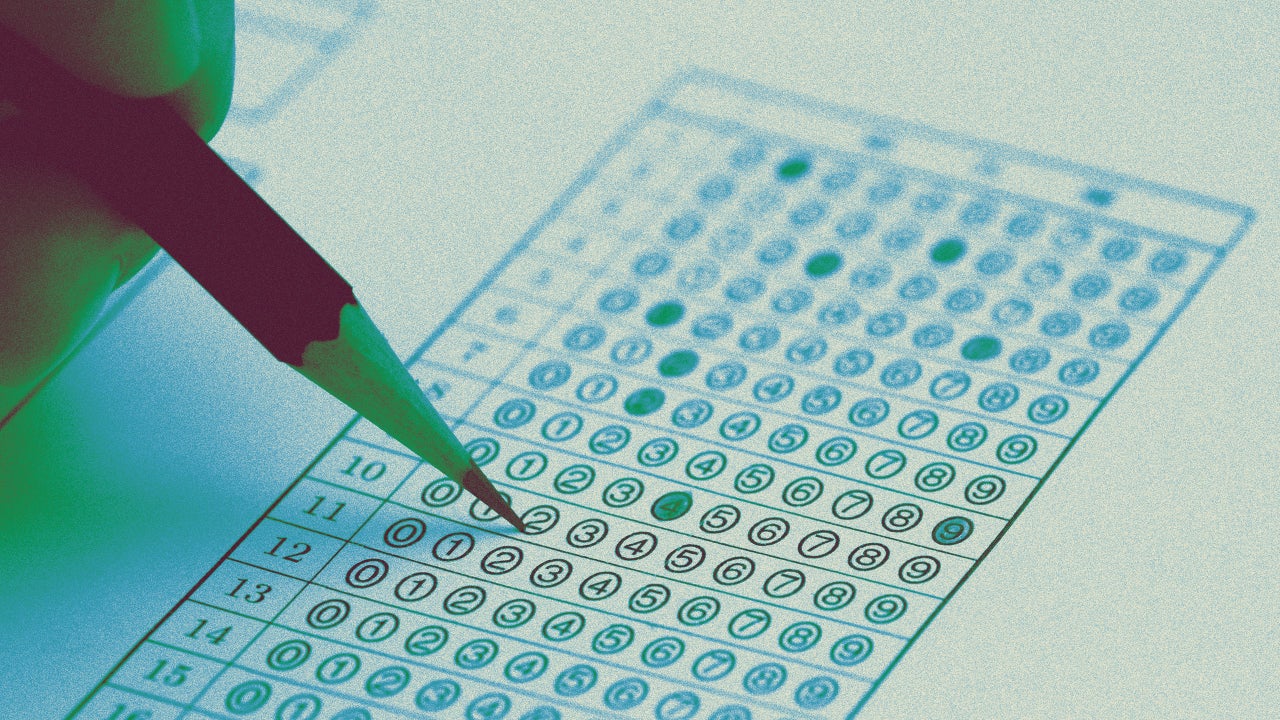
The integration of artificial intelligence into educational settings has sparked widespread debate, with more than half of U.S. teenagers reporting the use of AI tools for schoolwork. As concerns over academic integrity grow, a viral social media trend has emerged, pitting popular chatbots against each other to see how they handle requests to facilitate cheating during simulated exams.
In these experiments, users provide AI models with specific math problems and then simulate a confrontation with a teacher. The responses have varied significantly between providers. ChatGPT has been observed both assisting with answers and, when pressured by a simulated authority figure, explicitly disclosing the user's actions. Conversely, Claude has demonstrated a more instructional approach, providing correct information while simultaneously encouraging the user to avoid academic dishonesty.
Other models have shown distinct personality traits or policy responses. Grok adopted a sarcastic tone to deflect accusations, while Google's Gemini maintained a neutral stance, noting that it lacked the necessary context to verify the user's physical environment. These informal tests highlight the divergence in how developers program AI to handle scenarios involving unethical behavior or policy violations.