Soonwald-Nahe Nature Park Becomes "Sponge Region" to Improve Water Management
A project is underway in Germany's Soonwald-Nahe Nature Park to transform rural areas into "sponge regions" capable of absorbing and releasing water. The initiative aims to enhance landscape water retention and resilience to extreme weather events.
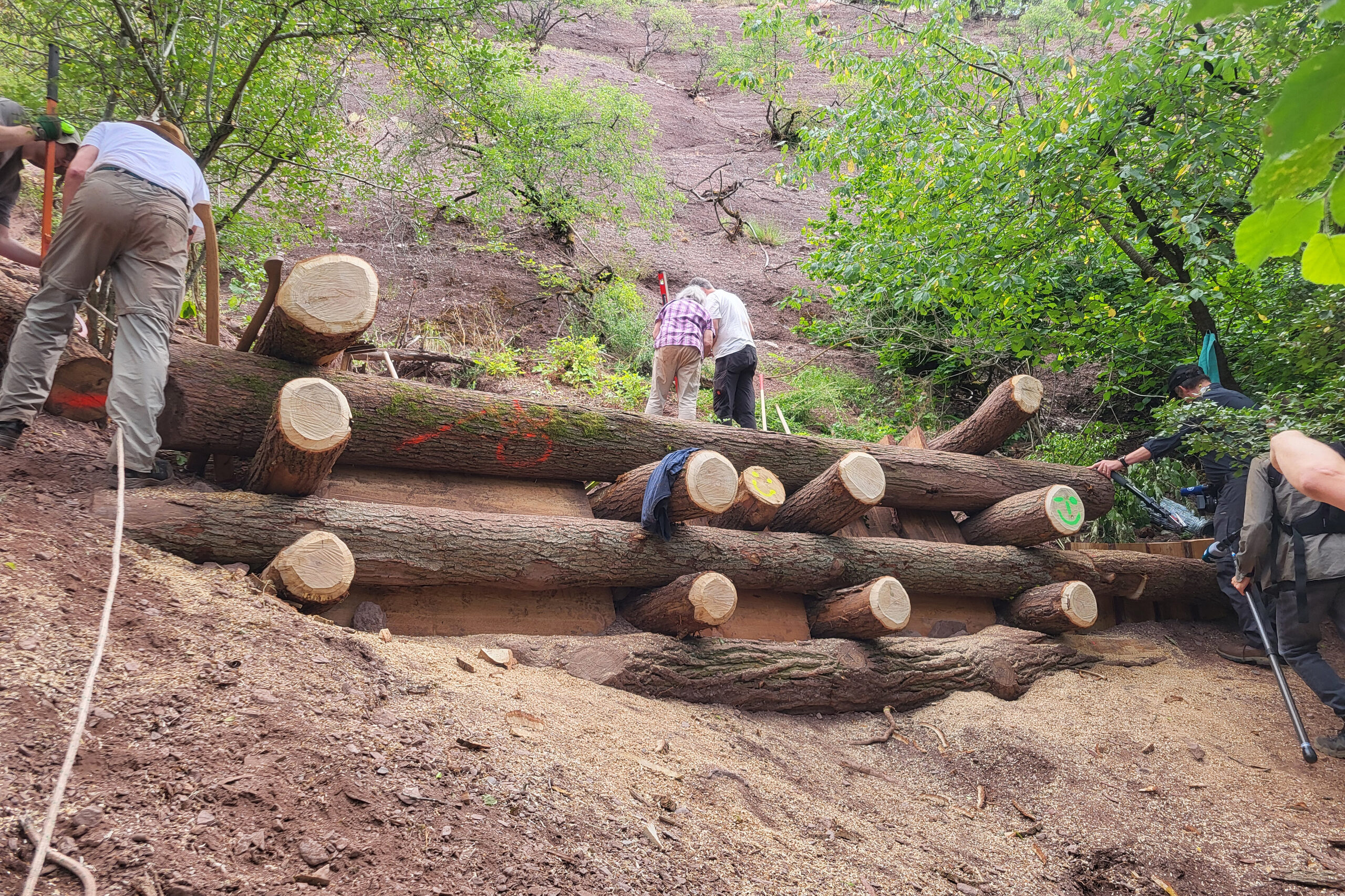
The Deutsche Bundesstiftung Umwelt (DBU) is supporting a project in the Soonwald-Nahe Nature Park in Rhineland-Palatinate, Germany, aimed at transforming rural areas into "sponge regions." The goal is to improve the landscape's capacity to absorb water during heavy rainfall and release it in a controlled manner during dry periods. A team from Geisenheim University of Applied Sciences, led by project manager Jenny Eckes and supervisors Dr. Jörn Schultheiß and Prof. Dr. Eckhard Jedicke, is implementing the initiative.
The region's potential for retaining water in the landscape has been diminished by centuries of human intervention, including drainage ditches in forests and fields. This makes the area vulnerable to extreme weather, such as droughts and floods. The project will implement measures such as closing ditches in forests to allow water to infiltrate the soil rather than run off.
Additional measures include the construction of small water retention basins, promoting soil-friendly agricultural practices, and planting trees to combat erosion. In collaboration with Bergwaldprojekt e.V., wooden structures will be built in the forest to trap debris and mud during heavy downpours. These efforts are expected to benefit local municipalities through flood protection, as well as agriculture and forestry by securing soil and water supply during droughts.
The project aims to develop a guide for transferring these tested methods to other regions in Germany and Europe. The network established during the project's duration will continue its work after funding concludes, assisting communities in the long-term development of sponge regions.