SpaceX Explores Rocket Use for Global Cargo Delivery
SpaceX is developing technology to leverage rockets for rapid cargo transport on Earth and to space. The initiative could significantly impact logistics and the space economy.
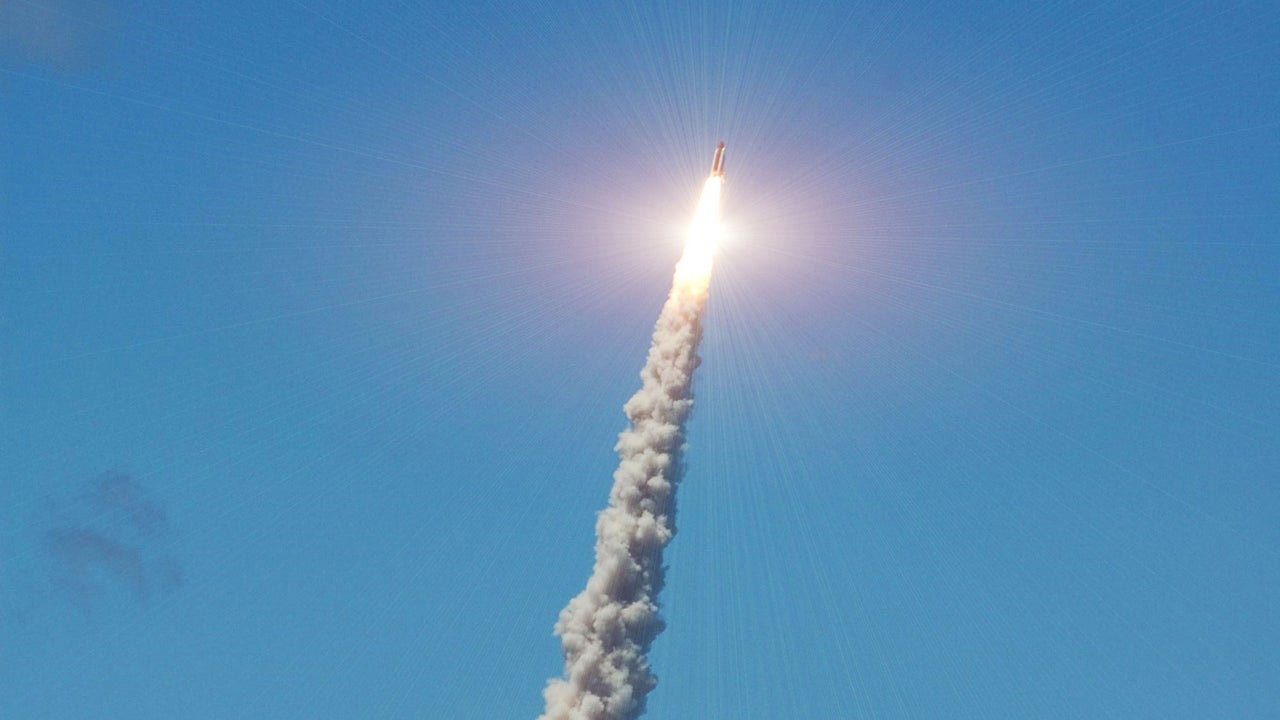
US-based aerospace manufacturer SpaceX is exploring the potential of its rockets to transform the global cargo system.
The company's Starfall demonstration mission, launched on June 23, 2026, aims to significantly speed up cargo transport across the Earth and facilitate the movement of goods to and from space. This could open new markets for space-based manufacturing, capitalizing on the advantages of microgravity and vacuum.
While using rockets for high-speed transport is not entirely new, this concept diverges from traditional methods. Government and defense sectors, in particular, could benefit from rapid delivery capabilities for emergency situations or critical medical supplies. The system would act as an ultrafast emergency transport option, rather than replacing sea or air freight.
Furthermore, the Starfall program enables cargo transport to space, crucial for the development of microgravity-dependent industries, such as research and production of pharmaceuticals or electronics. Unlike the planned, periodic resupply missions to the International Space Station, this system would require the ability to launch cargo on short notice.
However, SpaceX faces considerable challenges. The vibrations and G-forces inherent in rocket launches necessitate specialized solutions to protect delicate cargo. Establishing a functional cargo network also demands complex logistical planning, including the placement of launch and landing sites and seamless integration with existing transport infrastructure. Experts believe overcoming these technical and logistical hurdles is a matter of time.