Spanish Computer Museum Builds Cray-1 Replica Using 30 Mac Minis
The Computer History Museum in Spain has unveiled a 1:1 scale visual replica of the Cray-1 supercomputer. The system is powered by 30 repurposed Mac Minis from 2012.
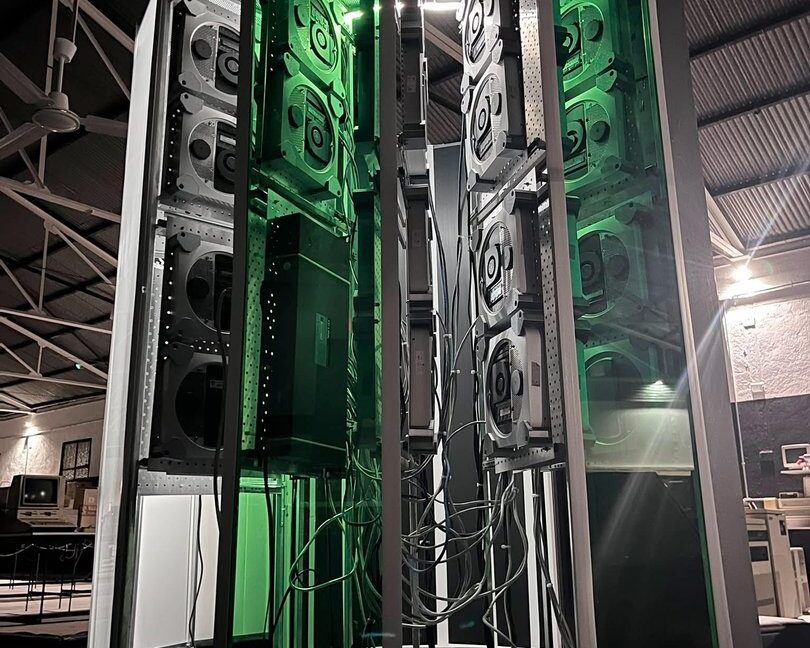
The Museum of Computer History in Spain has presented a full-scale replica of the 1976 Cray-1 supercomputer. Instead of using cutting-edge technology, the museum's replica utilizes 30 older Apple Mac Mini computers networked together. The project, developed over 18 months, serves as a tribute to the 50th anniversary of the Cray-1.
While a decade-old Mac Mini might not seem like an obvious choice for a supercomputer cluster, the networked units can achieve a combined performance of approximately 1.3 teraflops using 64 active processing cores. The museum previously reported achieving 1.5 teraflops when all 70 cores were operational. The cluster consists of five quad-core i7 PCs and 25 dual-core i5 models, primarily dating from 2012.
The replica serves as a valuable educational tool, allowing museum visitors to understand the shifts in computer architecture since 1976. The original Cray-1 employed vector processing, whereas this replica distributes work across independent processors in a parallel cluster. The original Cray-1 had a peak theoretical performance of around 160 megaflops, highlighting the immense progress in consumer hardware.
The project demonstrates the significant advancements in computing power and architectural changes over the decades, repurposing older technology for a new, educational purpose.