Speed without vision incurs hidden costs
Companies prioritizing speed without a shared vision face hidden costs like decision fatigue and erosion of belief, according to Motto.
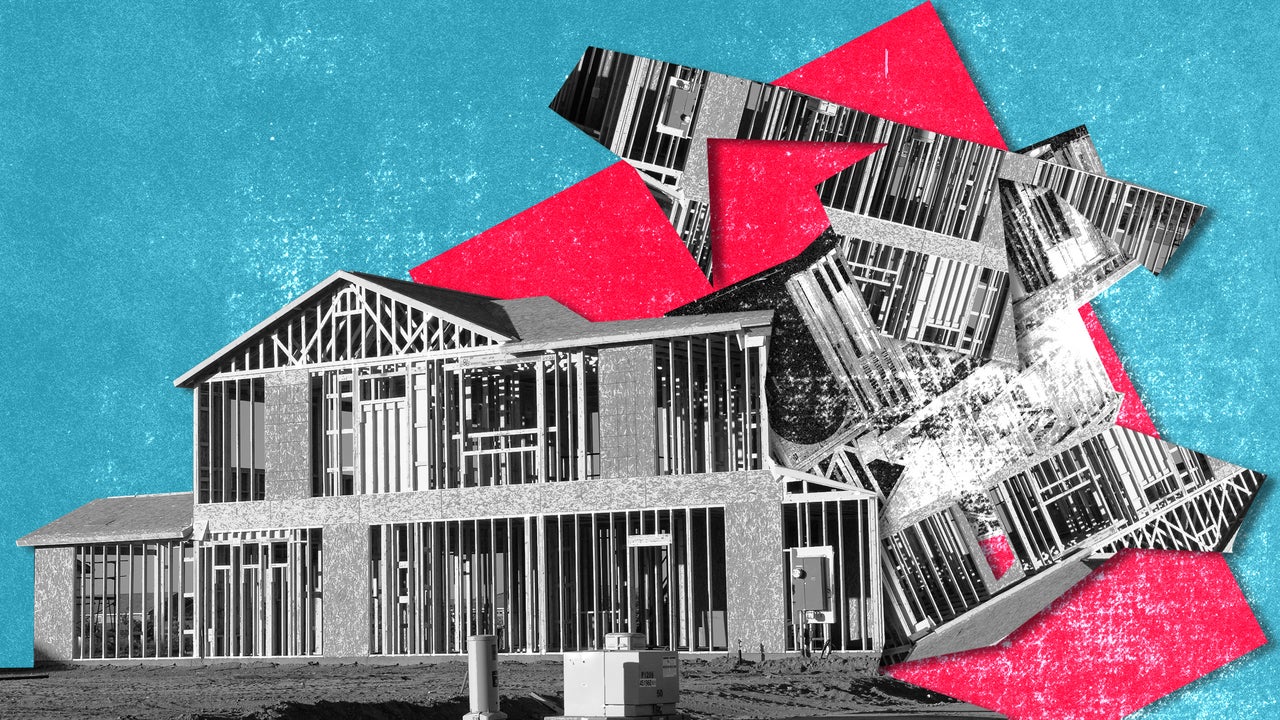
Business consultancy Motto warns that companies focusing on speed without a clear vision incur significant, often unnoticed, costs. "Speed without vision multiplies the very problems it promises to solve," Motto states.
Companies that accelerate without a shared picture of the future do not become more focused; they become more frantic. Meetings multiply, priorities collide, and teams may start sprinting in different directions while congratulating themselves on pace.
These "hidden costs" manifest as decision fatigue, where every important decision becomes a debate without a shared direction. Innovation also suffers as ideas do not compound but scatter across departmental goals. The greatest loss, however, is the erosion of belief among employees who begin to question if the company's movement leads anywhere meaningful.
Motto emphasizes that true vision is not merely a corporate declaration but an operational infrastructure. A strong vision communicates the future the company is creating and also what it should ignore. This helps the company make tradeoffs and direct resources effectively, making operations more efficient and less chaotic.
Companies that successfully combine speed with clear vision are not necessarily calmer, but their actions are directed. The future is repeated constantly, and tradeoffs made are made visible so everyone understands why certain choices matter more than others.