Sports Stadium Designs Adapt to Rising Heat Waves
Increasing heat waves pose a significant risk to the World Cup and other sporting events. Sports architects are developing strategies like shading and ventilation to cool stadiums.
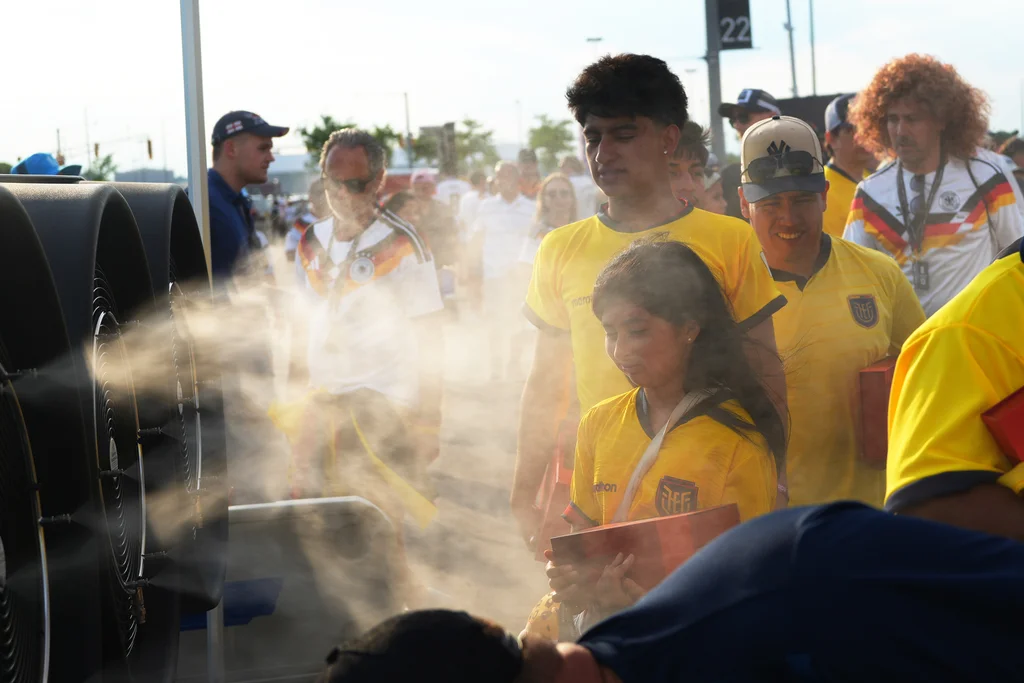
Rising heat waves and high summer temperatures present a significant risk to players and spectators at the World Cup. Reports indicate that a substantial portion of the venues hosting the 2026 World Cup in the U.S., Canada, and Mexico are in areas at high risk of extreme heat conditions.
Gensler, an architectural firm specializing in sports infrastructure, emphasizes that stadium design can significantly mitigate these effects. Ten of the sixteen World Cup venues this year are at high risk of extreme heat, potentially endangering player health, match operations, and spectator safety.
FIFA has implemented measures including a Heat Illness Mitigation and Management Task Force and scheduling games to avoid the hottest parts of the day. Cooling stations, water fountains, and misters have also been added at venues.
According to Gensler, three key strategies for stadium design to combat heat include effective shading, cool seating, and working with nature. Shading, through canopies or trees, not only reduces direct sunlight on spectators and the field but also lowers the overall ambient temperature. Seating designs maximize airflow, and for new builds, stadium placement can harness natural breezes. Comprehensive solar studies also aid in optimizing shading for various seasons.