Startup turns city leaves into biodegradable plastic
Biomaterials startup Perennial Polymers is developing a new plastic material from urban leaves collected in the fall. The company aims for a cheaper, more environmentally friendly alternative to traditional plastics.
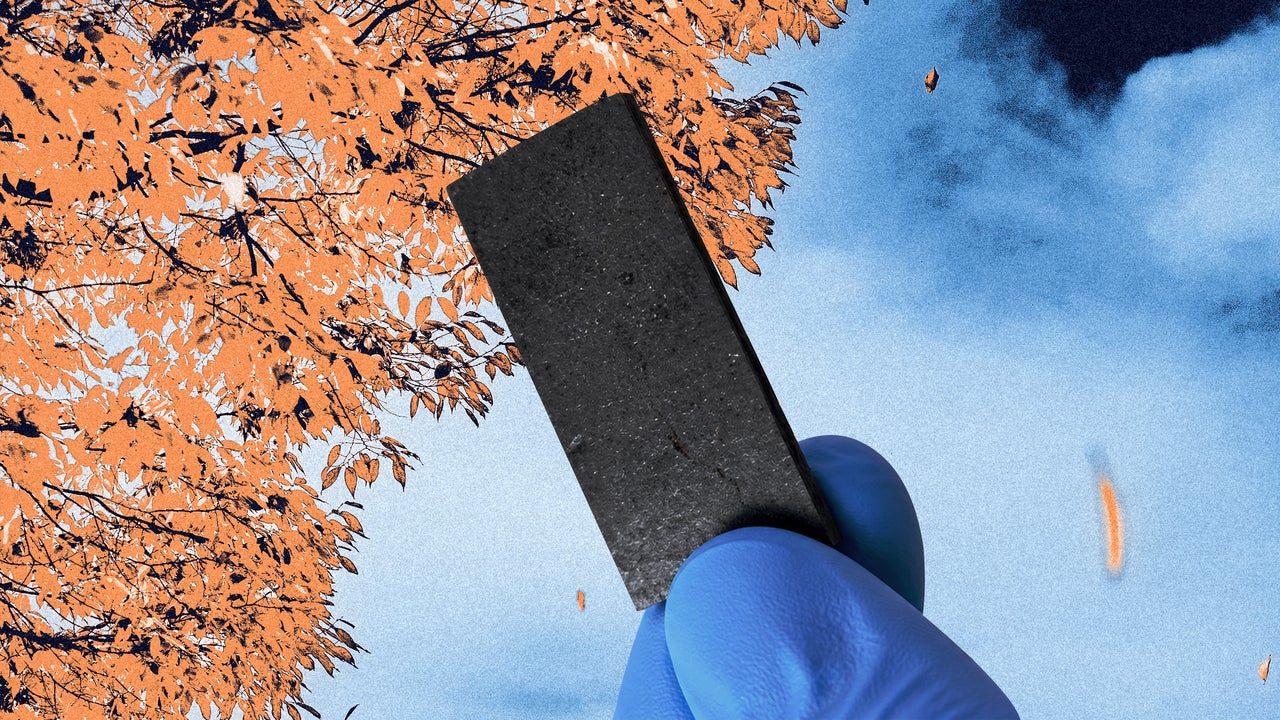
Biomaterials startup Perennial Polymers has developed a process to create biodegradable plastic from urban leaves collected each fall. Founder Nathan Noyes explains that traditional bioplastics often rely on food crops like corn, which can be expensive and compete for agricultural land. Perennial Polymers utilizes the natural polymers in leaves—lignin and cellulose—to create an easily degradable plastic.
The approach leverages the low cost and abundant availability of fallen leaves, which cities already collect. By using existing collection infrastructure, the startup aims to reduce production costs compared to other bioplastics that often require costly fermentation processes. The company has developed its own material formulation and filed provisional patents.
Perennial Polymers' formulation includes lignin, cellulose, and minerals from the leaves, enhancing its strength. The company believes the material can be used in existing industrial equipment without significant modification. One potential application is in agriculture, for plastic mulches that reduce weeds and erosion. Unlike current mulches that persist in soil, Perennial's material is designed to break down naturally.
Early testing indicates that thin films of the material degrade in soil within two to three months, similar to how leaves decompose naturally. The plastic could also be used for packaging, such as protective mailers where traditional plastics are difficult to recycle. The company plans to commercialize its bioplastic by 2027 and is exploring municipal partnerships for leaf collection.